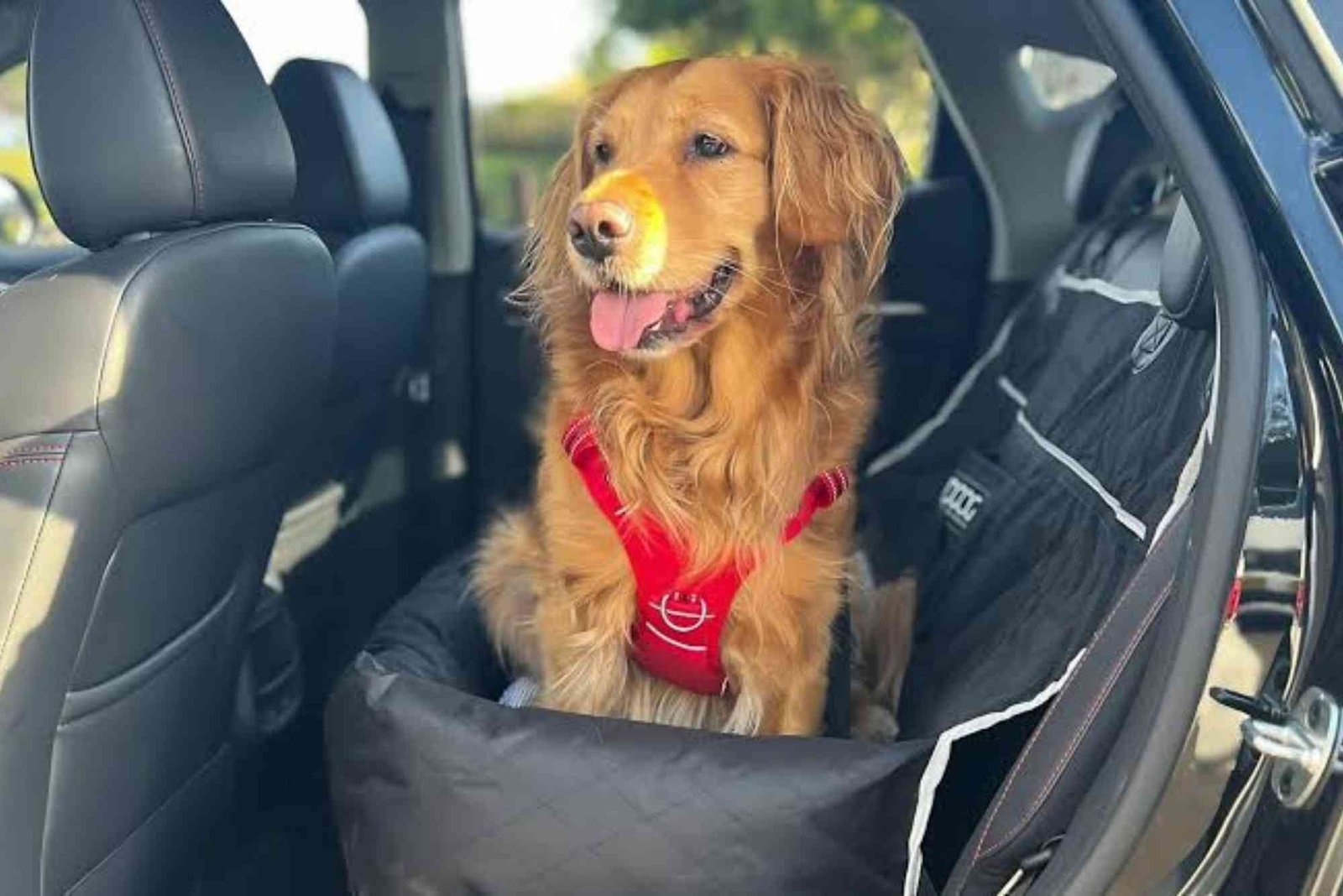

Road Tripping with Dogs: 10 Essential Safety Tips and Packing Checklist
Introduction
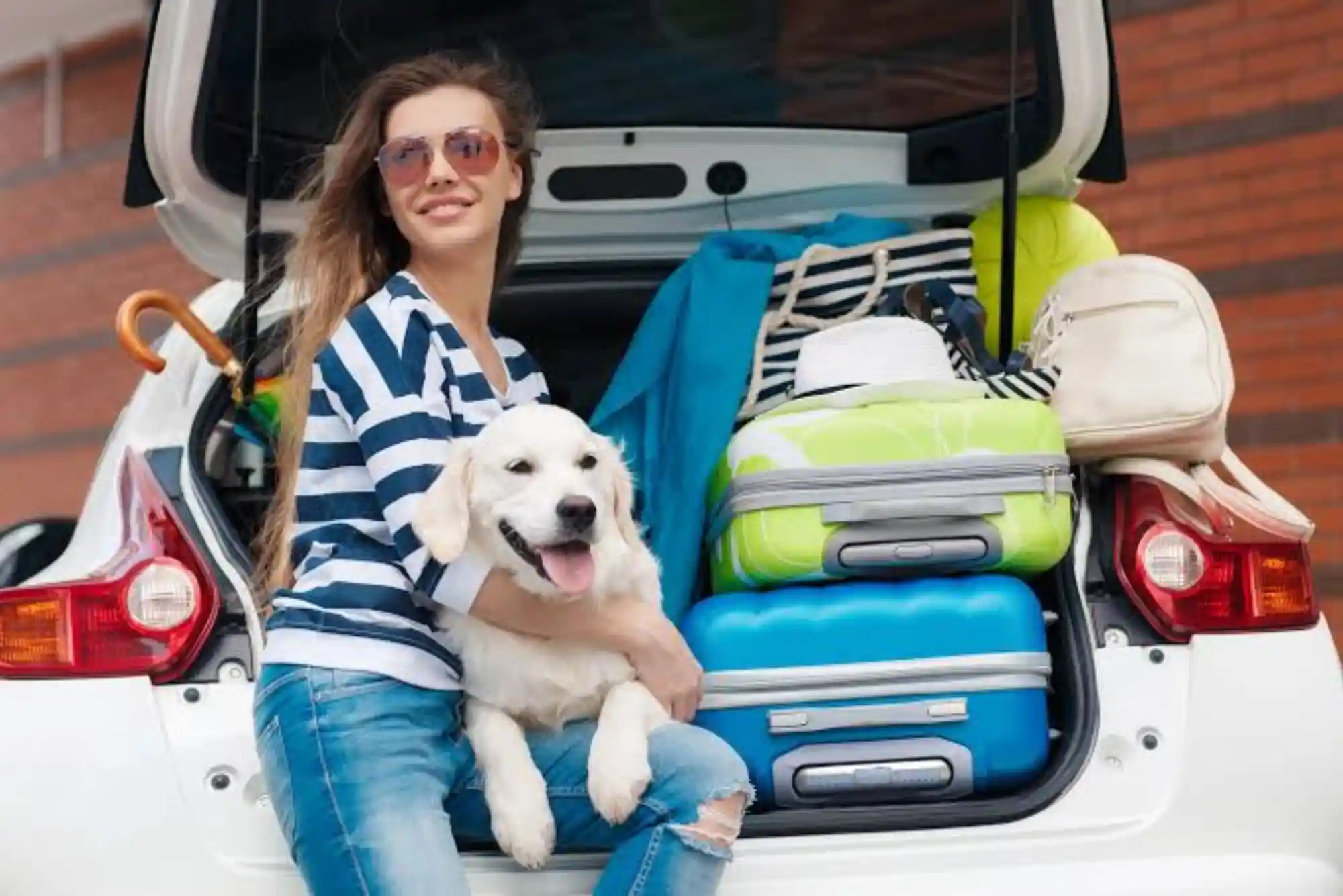
Road Tripping with Dogs: 10 Essential Safety Tips and Packing Checklist is designed to make travelling with your four-legged companion safer and more enjoyable. A road journey can be an exciting adventure for dogs. However, unfamiliar places, long driving hours and changing routines can create challenges.
Good preparation makes a significant difference. Before leaving, consider your dog’s health, behaviour, travel experience and comfort. You should also prepare essential supplies before starting the journey.
Whether you are planning a weekend escape or a longer holiday, thoughtful preparation helps prevent avoidable problems. Most importantly, never treat your dog as an unrestrained passenger. Proper restraint protects your pet and everyone travelling inside the vehicle.
Road Tripping with Dogs: 10 Essential Safety Tips and Packing Checklist
A successful journey starts before you turn the key. Dogs need different travel arrangements depending on their size, age, temperament and medical needs.
The following guidance covers the most important areas of safe pet travel. It also helps you organise everything needed for a comfortable trip.
1. Visit Your Vet Before Travelling
A pre-trip veterinary check can identify potential concerns before you travel. This is especially useful when planning a long journey.

Ask your vet whether your dog’s vaccinations are current. Discuss medications, existing conditions and motion sickness if relevant.
Keep vaccination records and medical information accessible. If your dog takes medication, pack enough for the entire trip.
For international travel, check destination-specific entry requirements well in advance. Some destinations require additional documentation or treatments.
2. Use a Proper Restraint
Dogs should never roam freely around a moving vehicle. Sudden braking can cause serious injuries.
A properly fitted harness, travel crate or secured carrier can provide safer transportation. The best choice depends on your dog’s size and behaviour.
If you prefer a harness, look for Crash-Tested Dog Harnesses designed specifically for vehicle travel. A walking harness is not automatically suitable for car restraint.
Introduce the restraint before your journey. Allow your dog to wear it during short trips first. This helps reduce anxiety and resistance.
3. Never Let Your Dog Travel in Your Lap
A dog sitting on your lap can interfere with steering and other controls. Even a small dog can become a dangerous distraction.
An unrestrained pet can also be thrown forward during sudden braking. Therefore, keep your dog secured in the rear passenger area.
Never attach a restraint to a collar unless the manufacturer specifically permits it. Sudden force on the neck can cause injuries.
4. Take Regular Breaks
Long journeys can become uncomfortable for dogs. Regular stops give them opportunities to stretch, drink and relieve themselves.
Try to maintain a predictable routine where possible. Familiar routines can help nervous dogs remain calmer.
During breaks, use a lead before opening the vehicle door. A frightened dog may suddenly run into unfamiliar surroundings.
Keep identification details updated. A microchip and secure identification tag can provide additional protection if your dog becomes separated.
5. Keep Food and Water Available
Hydration is particularly important during warm weather. Carry enough fresh water for the journey and unexpected delays.
A collapsible travel bowl is convenient and takes little storage space. Offer water regularly rather than allowing your dog to become thirsty.
Bring your dog’s usual food whenever possible. Sudden dietary changes can cause digestive problems during travel.
Avoid feeding a large meal immediately before departure. Smaller portions may be easier for some dogs to tolerate.
6. Protect Your Dog From Heat
Vehicles can become dangerously hot surprisingly quickly. Never leave your dog alone inside a parked car.
Opening a window does not make an unattended vehicle safe. Temperatures can rise rapidly even when the weather feels mild.
Plan stops where your dog can safely accompany you. During warmer months, travel during cooler parts of the day when practical.
Use sunshades where appropriate and provide good ventilation while driving. However, ventilation should never replace supervision.
7. Pack a Dedicated Dog Travel Kit
A dedicated travel kit keeps essential supplies together. It also prevents you from searching through luggage during an emergency.
Include food, water, bowls, leads, waste bags and familiar bedding. Bring towels for muddy paws or unexpected accidents.
A basic first-aid kit can also be useful. Keep your dog’s medication and veterinary information readily accessible.
A favourite toy or blanket can provide familiar smells. These familiar items may help reduce travel-related stress.
8. Plan Your Route Around Dog-Friendly Stops
Planning is one of the most useful parts of Road Tripping with Dogs: 10 Essential Safety Tips and Packing Checklist.
Research suitable stops before leaving. Check whether accommodation, restaurants, parks and attractions accept dogs.
Avoid assuming that every location described as pet-friendly has the same rules. Policies can vary considerably.
Also consider your dog’s exercise needs. A safe walking area can make a long driving day considerably easier.
9. Keep Your Dog Comfortable
Comfort can influence your dog’s behaviour throughout the journey. Provide adequate space and avoid overcrowding the travel area.
Use familiar bedding whenever possible. Familiar smells can make an unfamiliar environment feel more secure.
Some dogs become anxious when travelling. Gradual exposure to short journeys can help them become accustomed to vehicle travel.
Never give calming medication without veterinary advice. Your vet can recommend an appropriate approach when anxiety is severe.
10. Prepare for Emergencies
Even careful drivers can experience unexpected delays or accidents. Emergency preparation should therefore be part of every dog-friendly journey.
Keep your vet’s contact information available. Research emergency veterinary services near your destination before travelling.
Store important documents in both physical and digital formats. This can make treatment easier if your dog becomes unwell away from home.
Consider what you would do during a breakdown. Your plan should account for your dog’s safety, temperature and access to water.
What to Pack for a Dog Road Trip
A practical packing system can make travelling considerably easier. Instead of placing everything in different bags, keep essential dog supplies together.
| Category | Essential Items | Why It Matters |
|---|---|---|
| Food | Regular food and treats | Maintains a familiar diet |
| Water | Bottled water and travel bowl | Supports regular hydration |
| Safety | Vehicle restraint and lead | Prevents dangerous movement |
| Comfort | Blanket, bed and toy | Provides familiar surroundings |
| Hygiene | Waste bags and towels | Keeps the vehicle clean |
| Health | Medicines and first-aid supplies | Helps manage unexpected problems |
| Documents | Vaccination and medical records | Supports veterinary care |
| Identification | Tag and microchip details | Helps with recovery if lost |
| Cleaning | Pet-safe wipes and bags | Handles accidents quickly |
| Emergency | Torch and spare supplies | Useful during breakdowns |
How to Make a Long Journey Easier for Your Dog
Long-distance travel requires more planning than a short drive. Start by helping your dog become comfortable with the vehicle.
Take several short journeys before attempting a long road trip. Gradually increase the driving time as your dog becomes more relaxed.
Keep the vehicle environment calm. Avoid excessive noise and sudden changes whenever possible.
Your own driving habits matter too. Smooth acceleration and braking can make the journey more comfortable.
If your dog experiences motion sickness, speak with your vet before travelling. Professional advice is safer than experimenting with human medication.
For broader travel inspiration and pet-friendly journey planning, resources such as Road Trip With Pets can help you think through the practical side of travelling together.
Choosing Dog-Friendly Accommodation
Accommodation should be researched before departure. Confirm that dogs are accepted and check any restrictions.
Some properties have size limits, additional charges or designated pet areas. Others may require dogs to remain crated when left alone.
Read the property’s current pet policy carefully. Policies can change, so confirmation before arrival is worthwhile.
When researching destinations and travel ideas, Tourtutors can also provide useful inspiration for planning your wider journey.
Common Mistakes to Avoid
One common mistake is packing for yourself but forgetting essential dog supplies. Another is assuming your dog will automatically enjoy long journeys.
Avoid changing food immediately before travelling. Do not leave your dog unattended in a vehicle.
Never allow your dog to hang its head outside the window. Flying debris can injure the eyes, ears and face.
Avoid opening vehicle doors without securing your dog first. An unfamiliar environment can trigger an unexpected escape.
Finally, do not rely on memory for important documents. Keep essential records organised and easy to access.
Road Tripping with Dogs: 10 Essential Safety Tips and Packing Checklist for Different Dogs
Every dog responds differently to travel. Puppies may need more frequent breaks because they have different toilet and exercise needs.
Older dogs may benefit from additional comfort and shorter driving periods. Dogs with mobility problems may require easier vehicle access.
Nervous dogs often benefit from gradual preparation. Dogs accustomed to travelling may require less adjustment.
Therefore, adapt Road Tripping with Dogs: 10 Essential Safety Tips and Packing Checklist to your individual pet. There is no single travel routine that works for every dog.
Frequently Asked Questions
How often should you stop when road tripping with a dog?
Many dogs benefit from regular breaks during longer journeys. A practical approach is to stop approximately every two to three hours.
However, individual needs vary. Puppies, older dogs and dogs with medical conditions may require more frequent stops.
What should I bring on a road trip with my dog?
Bring food, water, bowls, a lead, vehicle restraint, bedding and waste bags. You should also carry medication, identification and veterinary records.
A familiar toy or blanket can provide additional comfort. Towels and cleaning supplies are also useful for unexpected messes.
Is it safe for dogs to travel in cars?
Yes, dogs can travel safely when appropriate precautions are used. Secure restraints, suitable carriers and regular breaks are important.
Never allow your dog to travel loose inside the vehicle. Proper preparation significantly reduces avoidable risks.
Should dogs wear harnesses in the car?
A suitable vehicle harness can help keep a dog securely positioned. However, not every harness is designed for vehicle restraint.
Look specifically for products tested for car travel. Follow the manufacturer’s fitting and attachment instructions carefully.
Can dogs get car sick?
Yes, some dogs experience motion sickness. Signs can include drooling, restlessness, vomiting and whining.
Short practice journeys may help some dogs. If the problem continues, consult your vet about appropriate management.
How can I keep my dog calm during a road trip?
Familiar bedding, gradual training and regular breaks can help. Keep the vehicle environment quiet and predictable.
If anxiety remains severe, discuss it with your vet. Avoid giving medication without professional guidance.
Conclusion
Road Tripping with Dogs: 10 Essential Safety Tips and Packing Checklist helps turn preparation into a safer travel experience. The key is to plan around your dog’s individual needs.
Secure your pet properly, take regular breaks and maintain access to water. Keep essential documents and supplies within easy reach.
Most importantly, never compromise on vehicle safety. A comfortable journey is valuable, but a safe journey matters more.
Before your next adventure, create your own dog travel kit and check your route carefully. With thoughtful preparation, you and your companion can enjoy many memorable miles together.
Start planning your next Road Trip With Pets today, prepare your dog’s essentials and make safety the first part of every adventure.
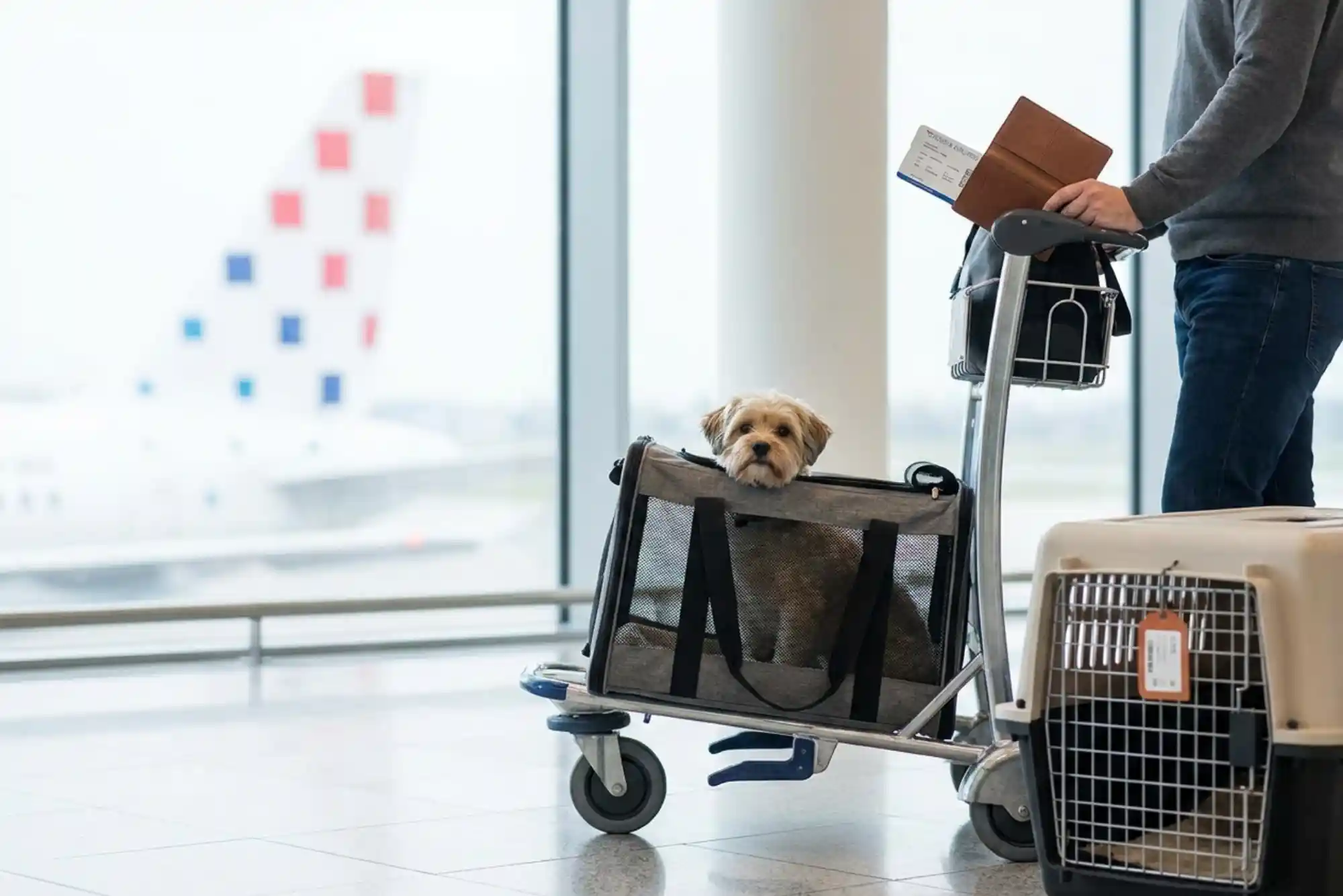
Related Reading: Flying with a Dog in Cabin: Airline Weight Limits, Pet Crates, and Rules