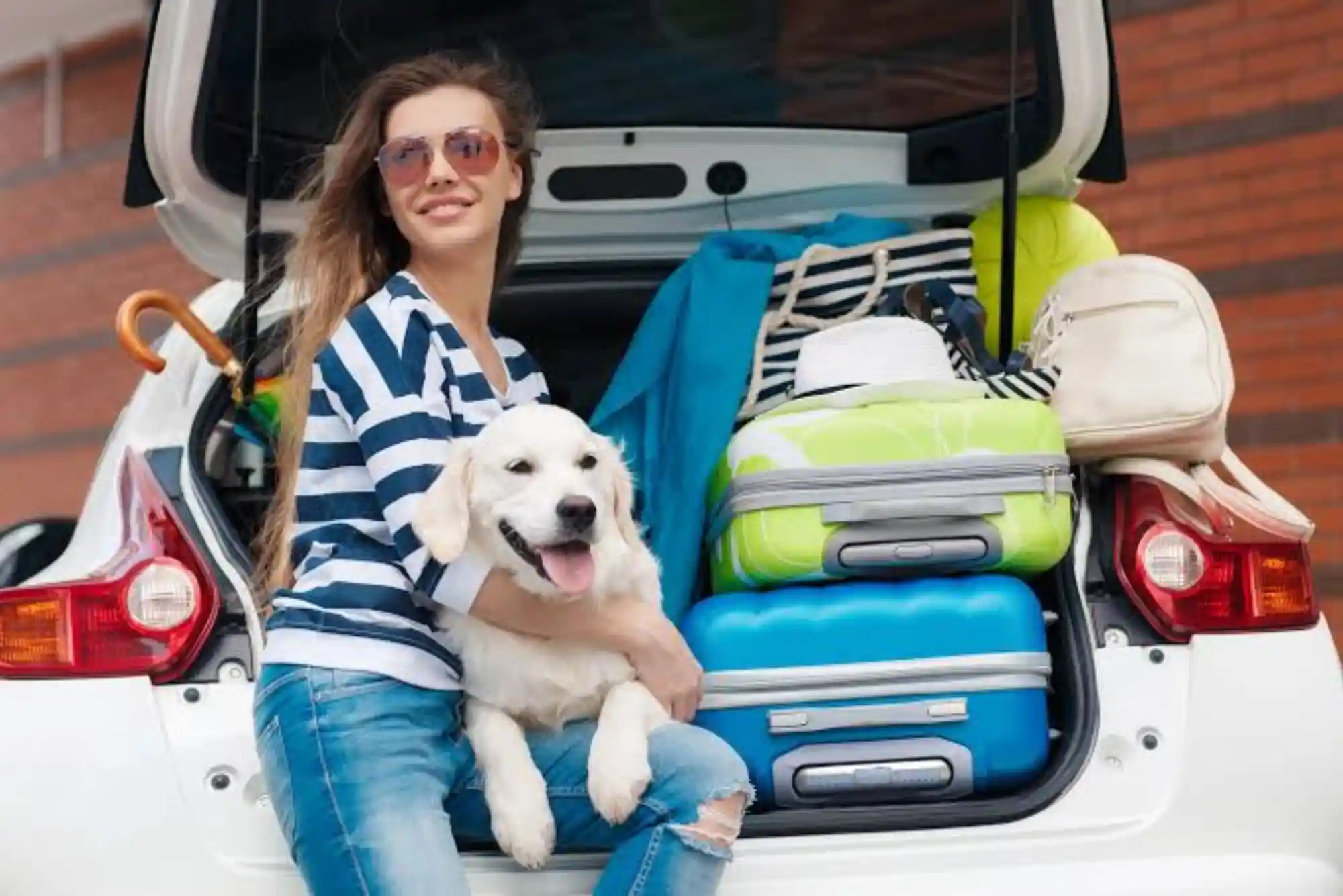

Road Tripping with Dogs: 10 Essential Safety Tips and Packing Checklist
Road tripping with dogs can turn an ordinary journey into a memorable adventure. However, traveling with a dog requires more preparation than simply putting your pet in the car. Your dog needs secure transportation, regular breaks, familiar food, water, and a calm environment.
This guide to Road Tripping with Dogs: 10 Essential Safety Tips and Packing Checklist explains how to prepare before departure and keep your companion comfortable throughout the journey. Whether you are taking a short weekend drive or planning a long-distance adventure, thoughtful preparation can prevent many common problems.
Why Preparation Matters When Road Tripping With Dogs
Dogs experience car travel differently. Some enjoy watching the scenery, while others become anxious or nauseous. Even confident dogs can become unsettled when their normal routine changes.
Before leaving, consider your dog’s personality, age, size, and previous travel experience. A puppy may need more frequent breaks than an adult dog. Older dogs may also require additional rest.
A successful road trip starts before the engine does. A few preparation steps can make the journey safer and less stressful for everyone.
10 Essential Safety Tips for Road Tripping With Dogs
1. Secure Your Dog Properly
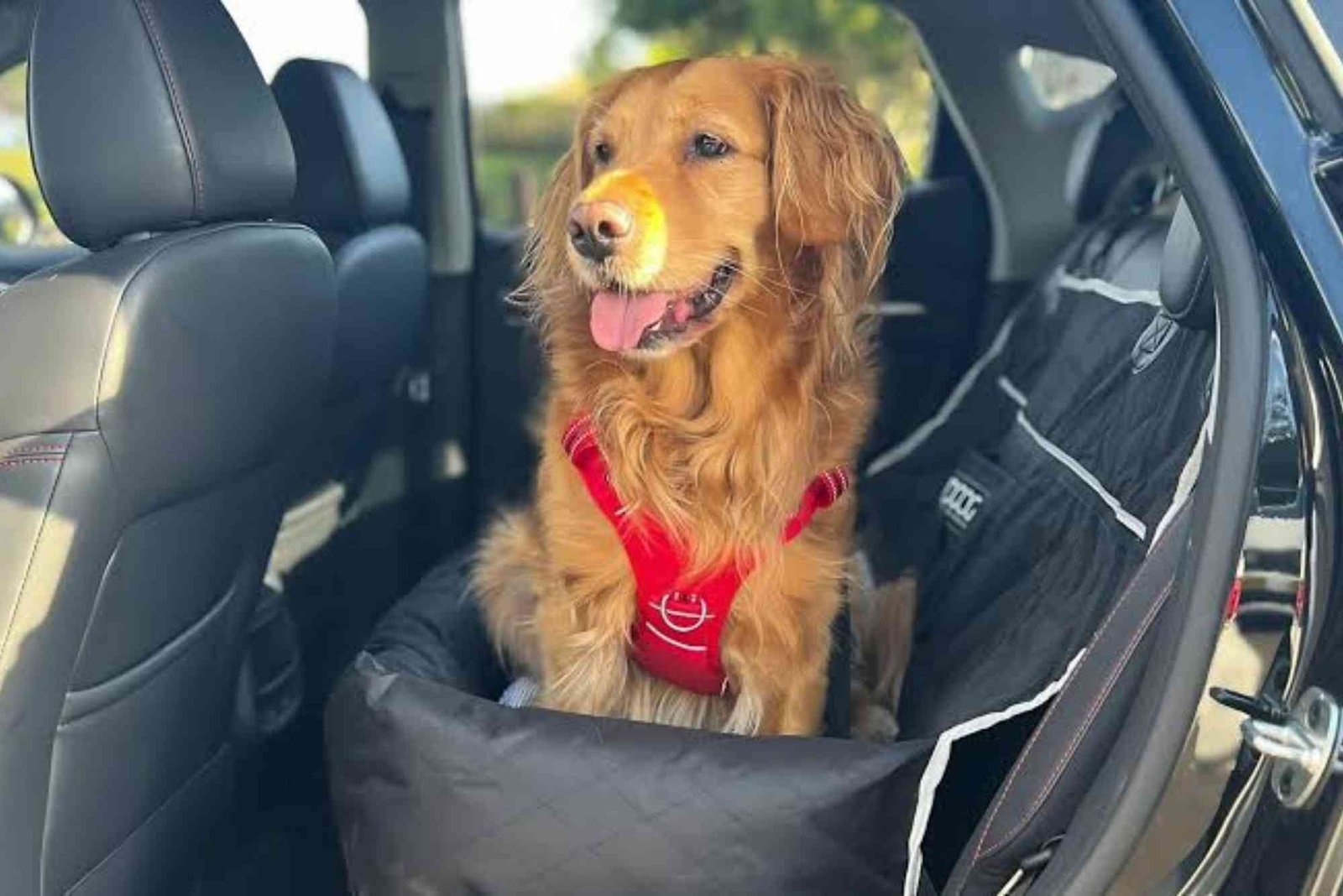
Never allow your dog to move freely around the vehicle. An unsecured dog can distract the driver or become injured during sudden braking.

Use a properly sized travel crate, crash-tested harness, or suitable pet restraint. The restraint should allow comfortable movement without giving your dog enough freedom to interfere with driving.
For larger dogs, a secured crate or harness system can provide additional stability. Always introduce the equipment before your trip.
2. Practice Short Car Journeys First
If your dog rarely travels by car, start with short journeys. Begin with five or ten minutes and gradually increase the duration.
Watch for signs of stress. Excessive panting, drooling, whining, shaking, or repeated attempts to escape may indicate anxiety.
Positive reinforcement can help. Reward calm behavior with praise or a small treat after the journey.
3. Avoid Feeding a Large Meal Before Departure
A heavy meal immediately before traveling can increase the risk of stomach discomfort. This can be especially problematic for dogs prone to motion sickness.
Give your dog enough time to digest food before departure. Keep their normal feeding routine as consistent as possible.
Do not make major dietary changes just before traveling. Familiar food is usually easier for your dog to tolerate.
4. Plan Regular Bathroom and Exercise Breaks
Dogs should not be expected to remain in the car for hours without a break. Stop regularly so your dog can drink, stretch, and relieve itself.
A short walk can also reduce restlessness. However, keep your dog securely leashed whenever you leave the vehicle.
Choose safe stopping areas away from heavy traffic. Check the surroundings before opening the car door.
5. Keep Fresh Water Available
Hydration is essential during road travel. Carry enough clean drinking water for the entire journey, plus extra for unexpected delays.
A portable bowl makes drinking easier during stops. Some dogs also prefer drinking from a familiar bowl.
Avoid relying entirely on roadside facilities. Water availability can vary considerably between locations.
6. Never Leave Your Dog Alone in a Hot Car
A parked vehicle can become dangerously hot very quickly. Cracking the windows does not provide reliable protection.
Therefore, never leave your dog unattended inside a parked car during warm conditions. This rule is especially important during summer road trips.
Plan stops where your dog can safely accompany you. If necessary, arrange another adult to remain with the dog.
7. Keep Identification Details Updated
Your dog’s identification information should be current before departure. Check the contact details on their identification tag and microchip records.
A secure collar with your phone number can provide an additional layer of protection. Carry a recent photograph of your dog as well.
These precautions are particularly useful if your dog escapes during an unfamiliar stop.
8. Bring Familiar Comfort Items
Travel can be stressful when everything around your dog is unfamiliar. A favorite blanket, toy, or bed can provide reassurance.
Familiar smells can help create a sense of security. However, avoid filling the vehicle with loose objects that could become dangerous during sudden braking.
Keep comfort items secured and place them where your dog can safely access them.
9. Prepare for Motion Sickness
Some dogs experience nausea during car journeys. Common signs include excessive drooling, lip licking, whining, and vomiting.
If your dog frequently becomes sick during travel, speak with a veterinarian before the trip. A veterinarian can discuss appropriate options for your specific dog.
Do not give human medication without professional veterinary guidance.
10. Keep Emergency Information Accessible
An emergency plan can make unexpected situations easier to handle. Keep your veterinarian’s contact details available during the trip.
Also research veterinary facilities along your route before departure. This is particularly helpful when traveling through unfamiliar areas.
A basic pet first-aid kit can also be useful. It should complement professional veterinary care rather than replace it.
Road Tripping With Dogs: Packing Checklist
Packing for a dog-friendly road trip is easier when everything has a dedicated place. Your supplies should cover food, hydration, safety, hygiene, comfort, and emergencies.
A useful packing system prevents important items from being buried underneath luggage.
| Category | Recommended Items | Why It Matters |
|---|---|---|
| Food | Regular food, treats, food container | Maintains routine |
| Water | Bottled water, travel bowl | Supports hydration |
| Safety | Harness, leash, collar, restraints | Prevents escape and injury |
| Comfort | Blanket, bed, familiar toy | Reduces travel stress |
| Hygiene | Waste bags, towels, wipes | Keeps the vehicle clean |
| Health | Medicines, records, first-aid supplies | Supports emergency preparation |
| Identification | ID tag, microchip details, recent photo | Helps with recovery |
| Cleaning | Paper towels, cleaning bags | Handles accidents |
| Navigation | Route details, emergency contacts | Helps during unexpected delays |
Keep frequently needed supplies within easy reach. For example, place water, waste bags, towels, and a leash near the passenger area.
How to Make Long Car Journeys Easier for Dogs
Long-distance travel requires additional planning. Before departure, check your route and identify suitable rest areas.
Try to maintain your dog’s familiar schedule. Feed, walk, and rest around similar times whenever practical.
Temperature control also matters. Keep the vehicle comfortably ventilated without allowing your dog to hang its head outside the window.
Dogs may enjoy looking outside, but open windows can expose them to debris and injury. A secure restraint remains essential.
If your dog becomes nervous, maintain a calm atmosphere. Loud music and sudden movements can increase anxiety.
What Should You Avoid When Road Tripping With Dogs?
Several common mistakes can make travel unnecessarily difficult. Avoid allowing your dog to sit on the driver’s lap or roam freely through the cabin.
Do not attach a leash to a collar and allow your dog to move around unsecured. During sudden braking, this arrangement may provide inadequate protection.
Avoid changing your dog’s food immediately before departure. Also avoid giving unfamiliar treats in large quantities.
Finally, do not underestimate rest breaks. A journey that seems manageable to a human can feel much longer for a dog.
How to Prepare Your Dog Before the Trip
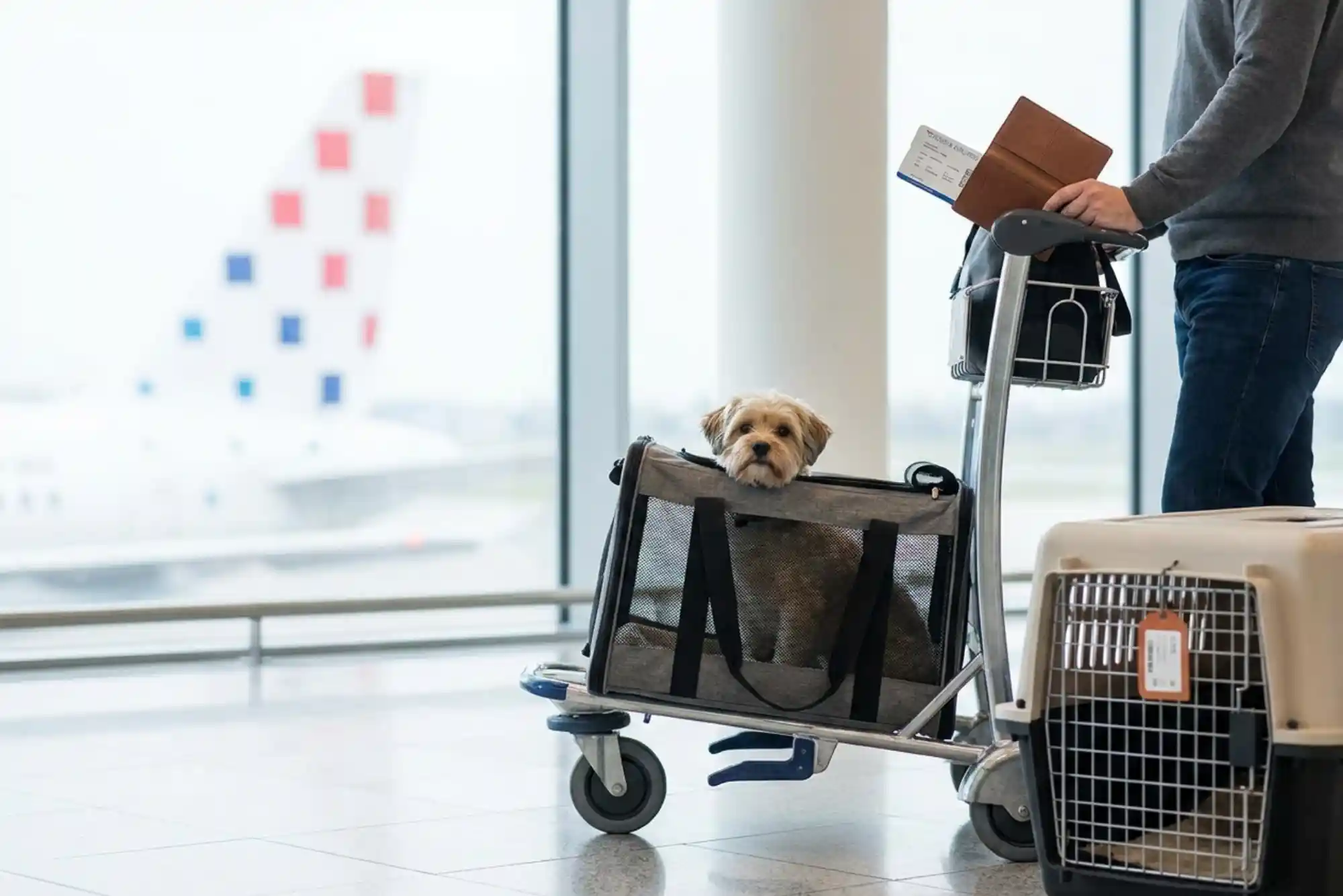
Preparation should begin several days before departure. Let your dog become familiar with the travel crate or harness.
Place familiar bedding inside the crate and reward your dog for entering voluntarily. Then practice short journeys.
You should also check that your dog’s identification information is current. Pack routine medications and any relevant veterinary documents.
A final walk before departure can help your dog settle. However, avoid exhausting your pet immediately before a long drive.
Frequently Asked Questions About Road Tripping With Dogs
What is the safest way for a dog to travel in a car?
The safest approach is to keep the dog properly restrained. A suitable crate or crash-tested harness can prevent excessive movement during sudden stops.
The restraint should fit your dog correctly. It should also be securely attached according to the manufacturer’s instructions.
How often should you stop when road tripping with a dog?
Many dogs benefit from regular breaks every few hours. Individual needs vary according to age, health, size, and travel tolerance.
Use stops for bathroom needs, hydration, stretching, and brief exercise. Puppies and older dogs may require more frequent breaks.
Should dogs wear a harness or use a crate in the car?
Both can provide secure transportation when properly selected and used. The right option depends on your dog’s size, behavior, vehicle, and comfort.
Whichever system you choose, introduce it before the journey. Your dog should already be comfortable using it.
Can I give my dog food during a road trip?
Yes, but maintain a familiar feeding routine when possible. Smaller portions may be easier for dogs that experience motion sickness.
Avoid introducing new foods during travel. Always provide fresh drinking water during appropriate stops.
How can I calm my dog during a long car ride?
Familiar items, gradual training, regular breaks, and a calm environment can help. Some dogs benefit from practicing short journeys before attempting longer ones.
If anxiety remains severe, consult your veterinarian before traveling. Professional guidance can help identify suitable options.
Can dogs travel long distances in a car?
Many healthy dogs can travel long distances with appropriate preparation. However, individual tolerance differs considerably.
Plan regular breaks and monitor your dog’s behavior throughout the journey. Make adjustments when your dog shows signs of discomfort.
Conclusion: Make Every Road Trip Safer for Your Dog
Road Tripping with Dogs: 10 Essential Safety Tips and Packing Checklist comes down to preparation, restraint, routine, and awareness. Your dog needs more than a comfortable seat. Safe transportation, regular breaks, fresh water, familiar supplies, and emergency preparation all matter.
Before leaving, review your packing supplies and secure your dog’s travel equipment. During the journey, monitor your companion rather than focusing only on reaching the destination.
With thoughtful planning, road travel can become an enjoyable experience for both you and your dog. Take time to prepare before your next adventure, and make safety part of every mile.