
Introduction
Flying with a dog can be an exciting experience, but preparation is essential. Flying with a Dog in Cabin: Airline Weight Limits, Pet Crates, and Rules can vary significantly between airlines and destinations. Therefore, pet owners should understand every requirement before booking a ticket.
Many travellers assume that a small dog can simply sit beside them during a flight. However, airlines have strict rules about carrier sizes, combined weight limits, health documents, and cabin placement. Understanding these details can prevent stressful surprises at the airport.
Before planning your journey, it is helpful to research reliable information about Flying With Pets. Proper preparation can make the experience safer and more comfortable for both you and your dog.
Understanding Flying with a Dog in Cabin: Airline Weight Limits, Pet Crates, and Rules
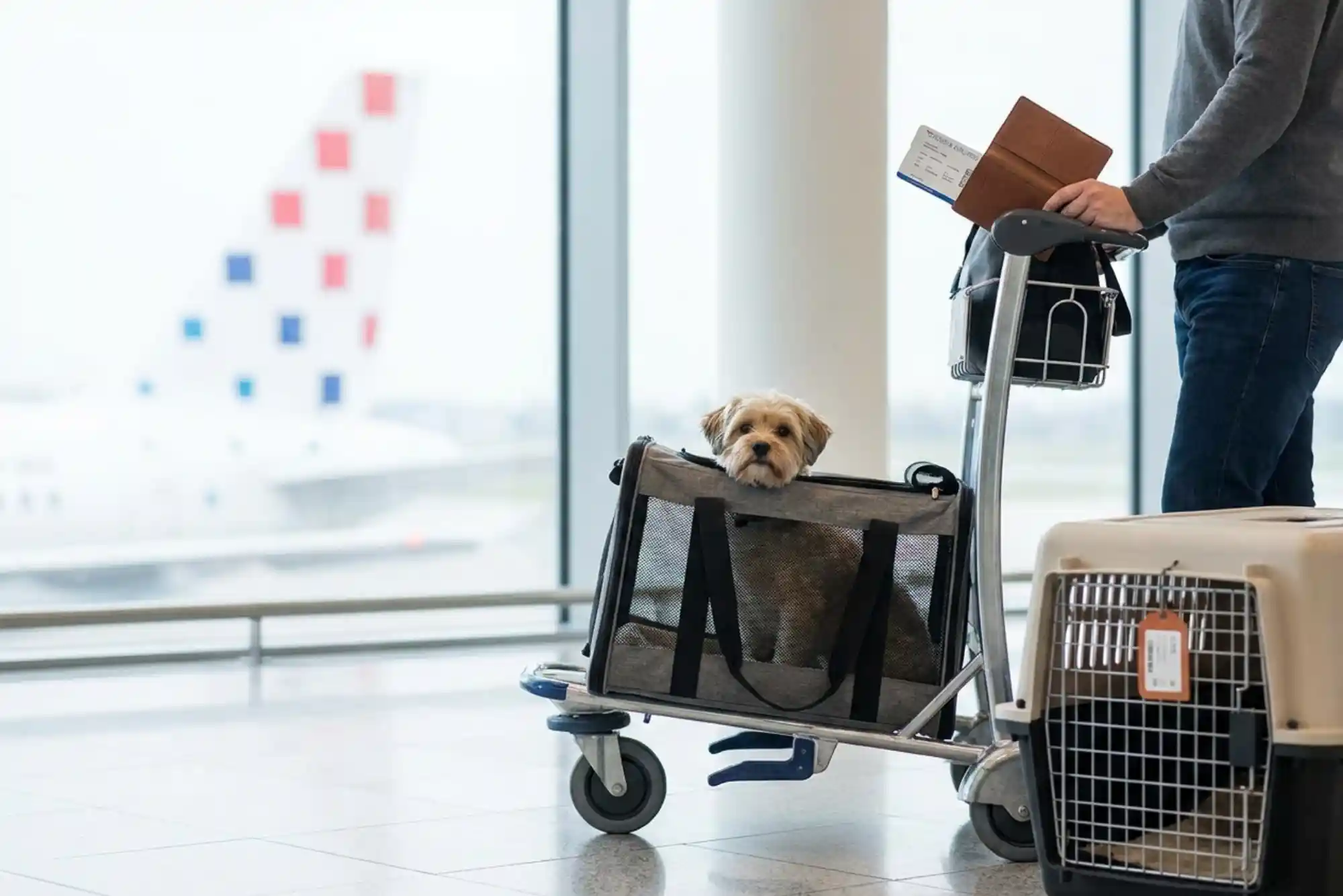
In-cabin pet travel usually allows small dogs to travel with their owners inside an approved carrier. The carrier generally fits underneath the seat in front of you. Your dog normally remains inside throughout the flight.
However, Flying with a Dog in Cabin: Airline Weight Limits, Pet Crates, and Rules are not identical worldwide. One airline may accept a heavier pet, while another may have stricter limits.
Additionally, some airlines calculate the combined weight of the dog and carrier. Others focus mainly on the carrier’s dimensions. For this reason, checking your specific airline’s current policy is always necessary.

Why Airline Policies Differ
Aircraft layouts differ between airlines and routes. As a result, the available space underneath cabin seats can vary considerably.
International regulations can also affect pet travel requirements. Some countries have strict animal import laws, vaccination requirements, or quarantine procedures.
Therefore, never rely solely on information from a previous trip. Airline rules can change, and the route may have different requirements.
Airline Weight Limits for Dogs in the Cabin
Weight limits are among the most important factors when travelling with a pet. Many airlines allow only small dogs in the passenger cabin.
The permitted combined weight often includes both your dog and its carrier. Depending on the airline, this limit may be relatively low. Some carriers allow pets around 7 to 10 kilograms, while others use different standards.
Always weigh your dog before making a reservation. Then weigh the travel carrier separately. Add both figures to determine whether your pet meets the airline’s requirements.
The Carrier Can Affect Your Eligibility
A lightweight carrier can make a significant difference. However, you should never sacrifice safety simply to reduce weight.
The carrier must remain strong enough to protect your dog during travel. It should also provide sufficient ventilation and space.
A dog that technically meets the weight limit may still be refused if the carrier is oversized. Therefore, weight and dimensions should always be checked together.
Size Matters as Much as Weight
Airlines often publish maximum carrier dimensions. These measurements may include length, width, and height.
Soft-sided carriers are commonly preferred because they can fit more easily beneath certain seats. Nevertheless, the carrier should not collapse onto your dog.
Your pet should be able to stand naturally, turn around, and lie down comfortably. A carrier that is too small can cause unnecessary stress.
Choosing the Right Pet Crate or Carrier
Selecting the correct carrier is one of the most important steps in Flying with a Dog in Cabin: Airline Weight Limits, Pet Crates, and Rules.
An approved carrier should be secure, ventilated, and comfortable. It should also meet your airline’s exact size requirements.
Do not purchase a carrier based only on general travel recommendations. Check the airline’s measurements first.
Soft-Sided Versus Hard-Sided Carriers
Soft-sided carriers are popular for cabin travel because they offer flexibility. They can sometimes adjust slightly to the available under-seat space.
Hard-sided carriers provide stronger protection. However, they may not fit under every aircraft seat.
The best choice depends on your dog’s needs and the airline’s policy. Always confirm whether the airline accepts both carrier types.
Features of a Good Cabin Carrier
A suitable carrier should have secure closures. Your dog should not be able to escape during the journey.
Ventilation panels are also essential. Fresh airflow helps your dog remain comfortable.
A leak-resistant bottom is another useful feature. Accidents can happen during long travel days.
Comfortable bedding can help your dog relax. However, avoid placing unnecessary items inside the carrier because space is limited.
Booking Your Dog’s Cabin Travel Early
Airlines often limit the number of pets allowed in the cabin. Therefore, booking early is extremely important.
Do not assume that purchasing your own ticket automatically reserves a place for your dog. Most airlines require a separate pet reservation.
Contact the airline immediately after booking your flight. Ask for confirmation that your pet has been accepted for cabin travel.
Pet Reservations May Fill Quickly
Cabin pet spaces can be limited. Once the allowed number is reached, the airline may refuse additional pet bookings.
This is especially important during holidays and busy travel seasons. Early planning provides more options.
Keep written confirmation of your pet reservation whenever possible. It can be helpful if questions arise at the airport.
Health Documents and Travel Requirements
Health requirements are another major part of Flying with a Dog in Cabin: Airline Weight Limits, Pet Crates, and Rules.
Depending on your destination, your dog may need a health certificate from a veterinarian. Vaccination records may also be required.
International travel can involve additional documentation. Certain countries require microchips, specific vaccines, or official import permits.
Check Destination Rules Before Booking
Airline approval alone does not guarantee entry into another country. Immigration and animal health authorities may have separate requirements.
Research the destination’s official animal import rules well before departure. Some procedures require weeks or even months of preparation.
For travellers flying within or to the United States, official aviation guidance can also be useful. You can review relevant information through the FAA Pet Travel Regulations website alongside your airline’s specific pet policy.
Visit Your Veterinarian Before Travel
A veterinary visit can help identify potential travel concerns. Your veterinarian can also confirm whether your dog is fit for the journey.
Discuss your destination and flight duration during the appointment. Bring any airline requirements with you.
However, remember that veterinary advice and airline requirements are separate. You must satisfy both when necessary.
Preparing Your Dog Before the Flight
Preparation should begin several days before departure. Dogs that are unfamiliar with carriers may feel stressed inside them.
Allow your dog to spend time inside the carrier at home. Use positive reinforcement to create a comfortable association.
Place familiar bedding inside when appropriate. Short practice sessions can gradually increase your dog’s comfort.
Avoid Last-Minute Carrier Training
Introducing a carrier only on travel day can create anxiety. Your dog may associate the unfamiliar space with stress.
Instead, leave the carrier open at home. Encourage your dog to enter voluntarily.
Gradually close the carrier for short periods. Increase the duration slowly as your dog becomes comfortable.
Exercise Before Going to the Airport
Appropriate exercise before travel can help your dog relax. However, avoid exhausting your pet immediately before departure.
Give your dog time for a bathroom break before entering the terminal. Airport procedures can take longer than expected.
Arriving early provides additional time for check-in and pet-related procedures.
Airport Security Rules for Dogs
Security procedures can differ depending on the airport and country. Generally, you may need to remove your dog from the carrier during screening.
The carrier may pass through the screening equipment separately. Your dog may need to be carried or walked through a designated screening area.
Always follow instructions from security personnel.
Keep Your Dog Secure During Screening
A nervous dog may try to escape in an unfamiliar environment. Therefore, use a secure harness or collar.
Avoid allowing your dog to wander freely. Airports contain loud noises, crowds, and unfamiliar surroundings.
Ask security staff for guidance if you are concerned about handling your dog safely.
Rules During the Flight
Once onboard, most airlines require the carrier to remain beneath the seat in front of you.
Your dog usually must stay inside the carrier throughout the flight. Do not assume you can place the carrier on your lap.
Some travellers make the mistake of opening the carrier during the flight. This can violate airline policies and create safety concerns.
Keep Your Dog Calm and Comfortable
Speak quietly to your dog when appropriate. Your familiar voice can provide reassurance.
Avoid feeding large meals immediately before departure unless recommended otherwise by your veterinarian. A comfortable feeding schedule may reduce travel discomfort.
Fresh water remains important, especially during long journeys. Follow airline guidance regarding containers and feeding arrangements.
Should You Sedate Your Dog Before Flying?
Many pet owners wonder whether sedation is necessary. In most situations, sedating a pet without professional advice is not recommended.
Sedatives can affect breathing and balance. Changes in altitude and cabin conditions may create additional concerns.
Speak with a qualified veterinarian if your dog experiences severe travel anxiety. Your veterinarian can recommend the safest approach.
Never give your dog medication specifically for flying without professional guidance.
Common Mistakes When Flying with a Dog
One common mistake is booking a flight before checking pet availability. Cabin pet spaces can be limited.
Another mistake is using a carrier that meets general standards but exceeds the airline’s dimensions.
Travellers also sometimes forget that connecting flights may involve different airlines. Each airline may have separate requirements.
Failing to Check the Return Flight
Pet travel rules should be checked for both directions. A carrier accepted on the outbound journey may face different requirements on the return route.
This is particularly important when travelling internationally.
Planning every stage in advance can prevent unexpected problems.
For more travel guidance and destination-focused information, travellers can also explore Tourtutors before planning their journey.
How to Make the Flight Easier for Your Dog
A successful journey begins with realistic planning. Consider your dog’s personality before booking a long flight.
Some dogs adapt well to travel. Others become anxious in unfamiliar environments.
Choose the most direct route whenever possible. Fewer connections can mean less stress and less time inside the carrier.
Keep your travel day calm and organised. Dogs often respond to their owner’s behaviour.
Flying with a Dog in Cabin: Airline Weight Limits, Pet Crates, and Rules for International Travel
International journeys require additional preparation. Airline requirements are only one part of the process.
Destination countries may require vaccination certificates, microchip information, or veterinary documentation.
Some destinations have strict deadlines for health procedures. Missing a deadline can affect your travel plans.
Start Planning Several Weeks Early
International pet travel should never be a last-minute decision. Start researching as soon as you know your destination.
Contact your airline and relevant authorities when necessary. Keep copies of important documents.
A simple travel folder can help you stay organised throughout the journey.
Frequently Asked Questions
What is the maximum weight for a dog to fly in the cabin?
The maximum weight varies by airline. Some airlines calculate the combined weight of the dog and carrier. Always check your airline’s latest policy before booking.
What size pet carrier is allowed under an airplane seat?
The permitted size depends on the airline and aircraft. Your carrier must usually fit completely beneath the seat in front of you.
Can my dog sit on my lap during a flight?
Most airlines require dogs to remain inside an approved carrier during the flight. The carrier generally stays beneath the seat.
Do I need a health certificate to fly with my dog?
Requirements depend on the airline, destination, and type of journey. International trips often require additional veterinary documentation.
Can I take food and water for my dog on the plane?
Airline and security rules may apply to food and liquids. Check current requirements before travelling and prepare suitable options.
How early should I arrive at the airport with a dog?
Arrive earlier than usual because pet check-in and documentation can require additional time. Confirm the recommended arrival time with your airline.
Conclusion
Flying with a Dog in Cabin: Airline Weight Limits, Pet Crates, and Rules requires careful preparation, but the process becomes easier when you plan ahead.
Check your airline’s weight limits before booking. Choose a properly sized carrier and reserve your dog’s space early. Most importantly, prepare all required health and travel documents.
Related Reading: Road Tripping with Dogs: 10 Essential Safety Tips and Packing Checklist — full guide