
Introduction
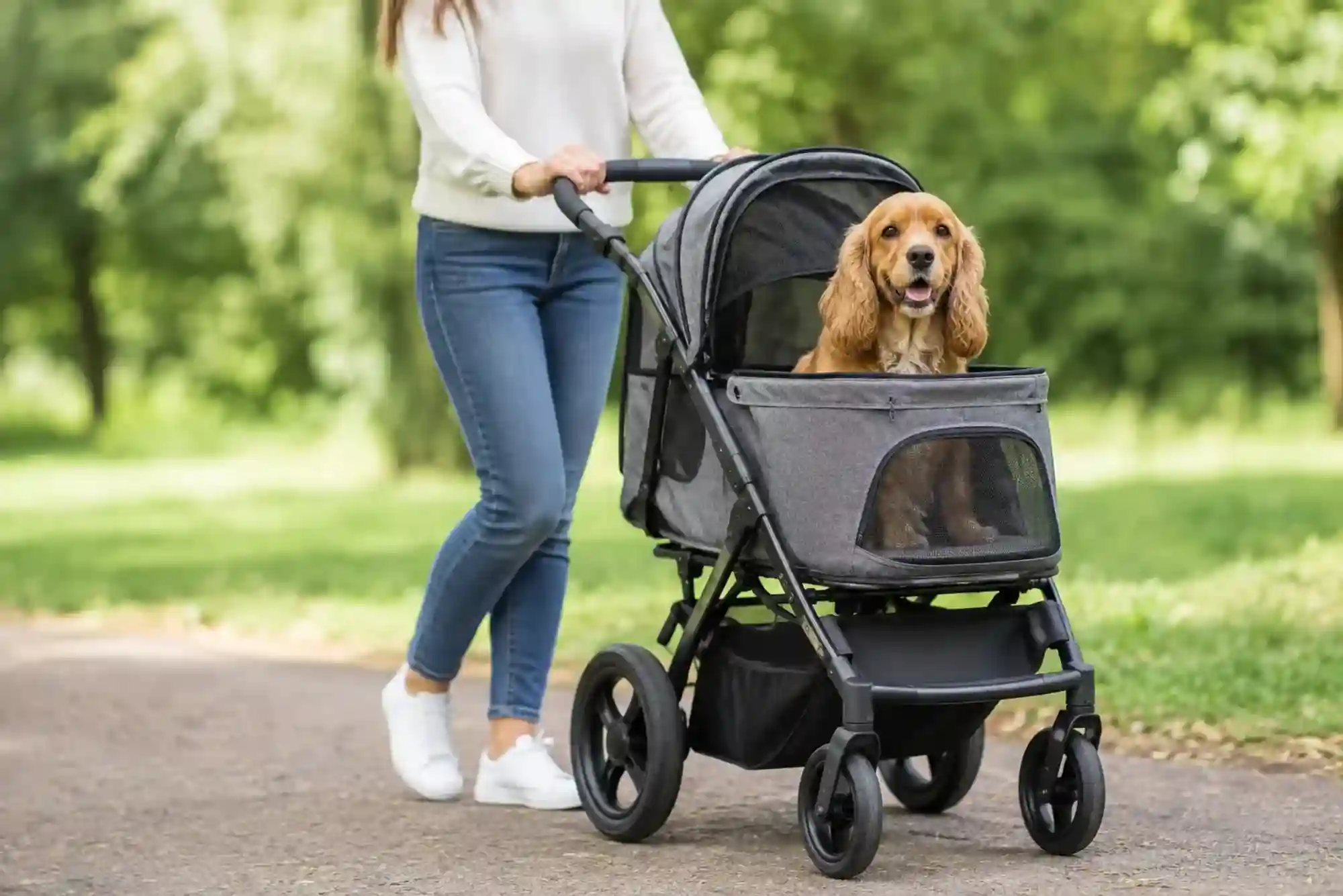
Finding the Best Pet Strollers for Small Dogs and Senior Pets for Travel & Urban Walks can make everyday outings much easier. A good stroller gives small or older pets a comfortable place to rest. It also helps owners manage longer walks, busy streets, and travel days.
Small dogs can tire quickly during extended urban walks. Senior pets may also struggle with stairs, uneven sidewalks, or crowded areas. A stroller provides mobility without forcing your pet to walk beyond its limits.
However, choosing the right stroller requires more than picking a stylish design. Size, weight capacity, ventilation, wheel quality, safety features, and folding design all matter. Therefore, pet owners should consider where and how the stroller will be used.
The Best Pet Strollers for Small Dogs and Senior Pets for Travel & Urban Walks should balance comfort, safety, portability, and practical everyday use. With the right choice, your pet can enjoy outdoor experiences while remaining protected and relaxed.
Why Pet Strollers Are Useful for Small and Senior Pets
Pet strollers are particularly useful for animals with limited stamina. Small dogs often have shorter legs and may struggle to keep pace with their owners. Senior pets can experience reduced endurance as they age.
A stroller allows your pet to participate in outdoor activities without constant walking. For example, you can take your dog through a shopping district or park while providing regular rest.

Strollers can also help during recovery periods. A veterinarian may recommend restricted activity after certain procedures. In such situations, a stroller can provide controlled outdoor access when appropriate.
Moreover, urban environments can create additional challenges. Hot pavement, heavy traffic, crowds, and rough sidewalks may make walking uncomfortable. A stroller provides a protected space away from many of these conditions.
What Makes the Best Pet Strollers for Small Dogs and Senior Pets for Travel & Urban Walks?
The Best Pet Strollers for Small Dogs and Senior Pets for Travel & Urban Walks should fit your pet properly. Your dog should have enough room to sit, stand, and turn comfortably.
At the same time, the stroller should not be unnecessarily large. An oversized cabin can make a small pet feel unstable during movement. A properly fitted interior generally offers better comfort and security.
Weight capacity is another important consideration. Always check the manufacturer’s recommended maximum weight. Your pet’s carrier space should also accommodate its body shape.
Ventilation deserves equal attention. Mesh panels can improve airflow while allowing your pet to observe the surroundings. Good ventilation becomes especially important during warm weather.
A secure enclosure is also essential. Look for reliable zippers, clips, or other restraints. These features can reduce the chance of your pet escaping unexpectedly.
Comfort Features to Consider Before Buying
Comfort can determine whether your dog actually enjoys using a stroller. Look for a padded base that provides cushioning during movement. A removable liner can also make cleaning easier.
A smooth ride is equally important for senior pets. Hard impacts can be uncomfortable for dogs with sensitive joints. Therefore, wheels with suitable suspension can be helpful on uneven sidewalks.
The stroller should also provide enough shade. A canopy can protect your pet from direct sunlight during outdoor trips. However, the canopy should not block ventilation.
Some designs include storage compartments for treats, water, waste bags, and personal items. These additions can make longer outings much more convenient.
Choosing a Pet Stroller for Urban Walks
Urban walking requires a stroller that handles different surfaces. Sidewalks can contain cracks, curbs, gravel, and uneven sections. Small wheels may struggle with these obstacles.
Larger wheels generally provide better stability across challenging surfaces. However, larger wheels can also make the stroller heavier. Therefore, consider the balance between maneuverability and portability.
A responsive front wheel can make navigating crowded streets easier. It allows you to change direction without repeatedly lifting the stroller.
Brakes are another essential feature. A reliable parking brake keeps the stroller stationary when you stop. Always engage the brake before removing or placing your pet inside.
A lightweight frame can also improve daily usability. If you need to carry the stroller upstairs, weight becomes especially important.
Pet Strollers for Travel
Travel introduces different requirements. A stroller that works well around your neighborhood may not be convenient during trips.
For travel, consider a foldable design. A compact stroller can fit more easily inside a vehicle or storage area. Some models also include quick-fold mechanisms for convenience.
The stroller’s folded dimensions matter too. Always measure your available storage space before purchasing.
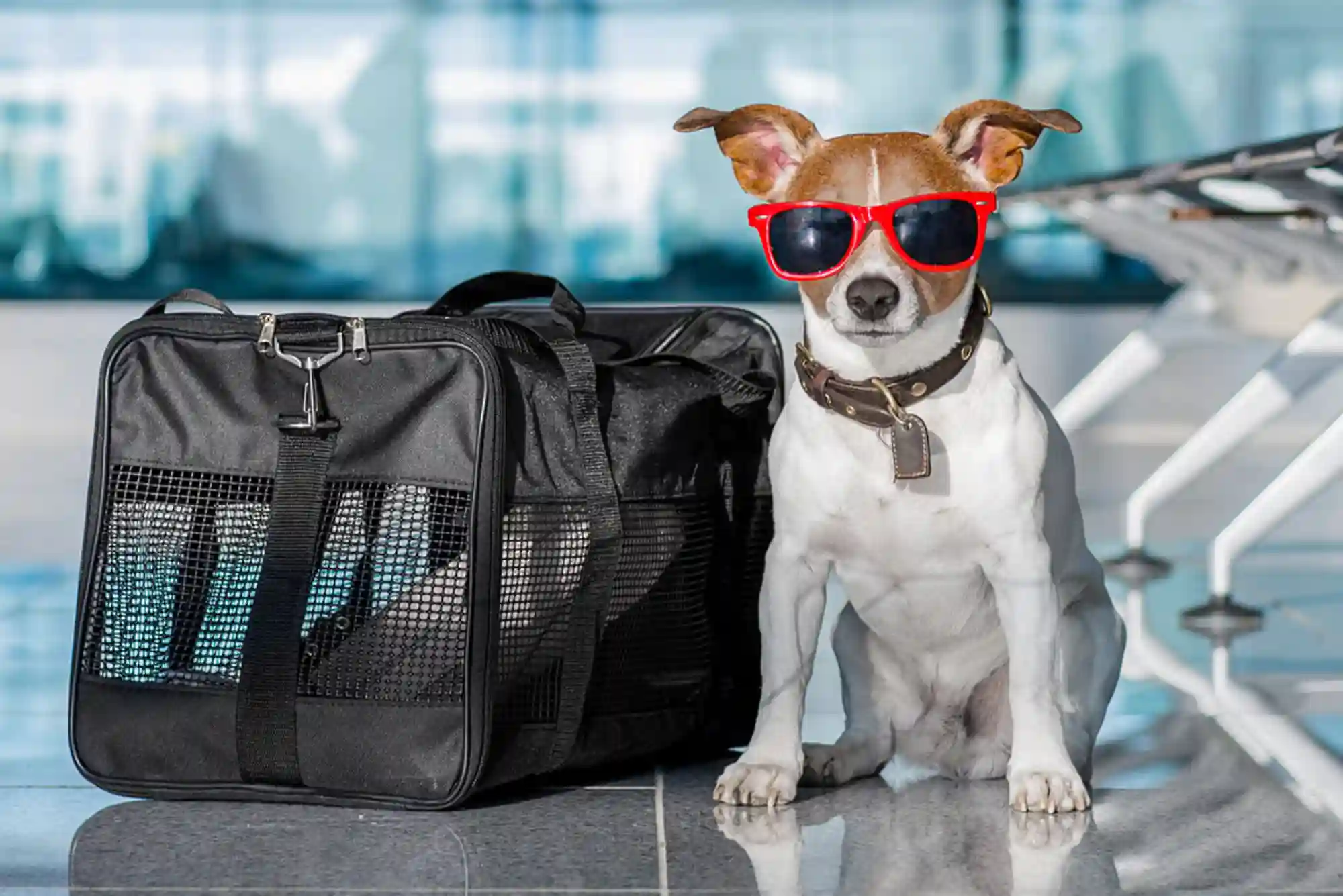
Air travel requires additional caution. Airline rules vary significantly, and many airlines have specific carrier requirements. A pet stroller should not automatically be assumed to qualify as an approved airline carrier.
For airports, a stroller can still be useful before security or between transportation points. However, check the relevant airline and airport requirements before your journey.
Safety Considerations for Small Dogs and Senior Pets
Safety should always come before appearance. A stroller needs a secure interior that prevents accidental jumping or climbing out.
An internal tether can provide an additional layer of security. However, it should never restrict your pet’s breathing or movement.
Check the frame regularly for loose parts. Inspect wheels, brakes, zippers, and fasteners before longer outings. Regular maintenance can help identify problems early.
Weather conditions also matter. Avoid leaving your pet inside a stroller unattended, particularly during hot weather. Enclosed spaces can become dangerously warm.
Similarly, cold weather may require additional protection. A suitable blanket or weather cover can help, but ventilation should remain adequate.
How to Introduce Your Dog to a Pet Stroller
Some dogs immediately accept a stroller. Others need time to become comfortable with it. A gradual introduction usually works better than forcing your pet inside.
Start by placing the stroller in a familiar area. Allow your dog to investigate it without pressure. You can reward calm behavior with praise or a familiar treat.
Next, allow your dog to sit inside while the stroller remains stationary. Keep the first sessions short and positive.
Once your pet appears comfortable, move the stroller slowly around your home. Gradually increase the distance as your dog becomes more confident.
This approach can make the stroller feel like a safe resting space rather than an unfamiliar object.
Cleaning and Maintaining a Pet Stroller
Regular cleaning keeps a pet stroller comfortable and hygienic. Dogs can bring dirt, hair, and moisture into the cabin after outdoor walks.
Choose a stroller with removable and washable fabrics when possible. Vacuum loose hair before washing fabric components.
Clean the frame with a suitable damp cloth. Pay particular attention to areas where dirt collects around the wheels.
Wheel maintenance is also important. Remove hair, stones, and debris that may interfere with movement. Check the brakes periodically to ensure they function properly.
If the stroller becomes wet, allow it to dry completely before storage. This helps reduce unpleasant odors and moisture buildup.
Common Mistakes When Choosing a Pet Stroller
One common mistake is buying based only on appearance. A stylish stroller may not provide the right dimensions or support.
Another mistake is ignoring your pet’s weight. Always compare your dog’s current weight with the manufacturer’s capacity.
Some owners also overlook folded dimensions. A stroller can seem practical in a store but become difficult to transport.
Poor ventilation is another concern. An enclosed cabin needs adequate airflow, particularly during warmer months.
Finally, avoid assuming that every stroller is suitable for every surface. Consider your normal walking environment before making a purchase.
Are Pet Strollers Good for Senior Dogs?
Pet strollers can be useful for senior dogs that cannot comfortably walk long distances. They allow older pets to accompany their owners while reducing physical strain.
However, a stroller should not replace appropriate veterinary care or healthy movement. Senior dogs may still benefit from gentle activity when it is suitable for their condition.
A stroller can provide flexibility. Your dog can walk when comfortable and rest when tired. This approach can make outdoor time more manageable.
For older pets with specific mobility concerns, discuss appropriate activity levels with your veterinarian.
Are Pet Strollers Safe for Small Dogs?
Pet strollers can be safe when used correctly. The stroller should have an appropriate weight capacity and secure enclosure.
Always use available safety restraints correctly. Keep the stroller under control around traffic, stairs, and crowded areas.
Never leave your dog unattended in the stroller. Also, monitor your pet for signs of stress, overheating, or discomfort.
The Best Pet Strollers for Small Dogs and Senior Pets for Travel & Urban Walks should provide security without sacrificing ventilation or comfort.
Frequently Asked Questions
Are pet strollers good for small dogs?
Yes, pet strollers can be useful for small dogs that tire quickly. They can also provide protection during busy outdoor environments.
What size stroller should I get for my dog?
Choose a stroller that accommodates your dog’s weight and body size. Your pet should have enough room to sit, stand, and turn comfortably.
Can senior dogs use pet strollers?
Yes, senior dogs can use pet strollers when appropriate. They can provide rest during longer outings and reduce excessive walking.
Can you take a pet stroller on an airplane?
It depends on the airline and travel situation. Airlines have different rules for pet carriers and mobility equipment. Always check the current requirements before traveling.
How do I get my dog used to a stroller?
Introduce the stroller gradually. Let your dog investigate it first, then practice short stationary sessions. Slowly introduce movement after your pet becomes comfortable.
What should I look for in a dog stroller?
Focus on correct sizing, weight capacity, ventilation, secure restraints, comfortable padding, durable wheels, brakes, and easy folding. Your intended environment should guide the final choice.
Conclusion
The Best Pet Strollers for Small Dogs and Senior Pets for Travel & Urban Walks can make outdoor adventures more accessible and comfortable. They are especially useful when pets cannot comfortably walk for extended periods.