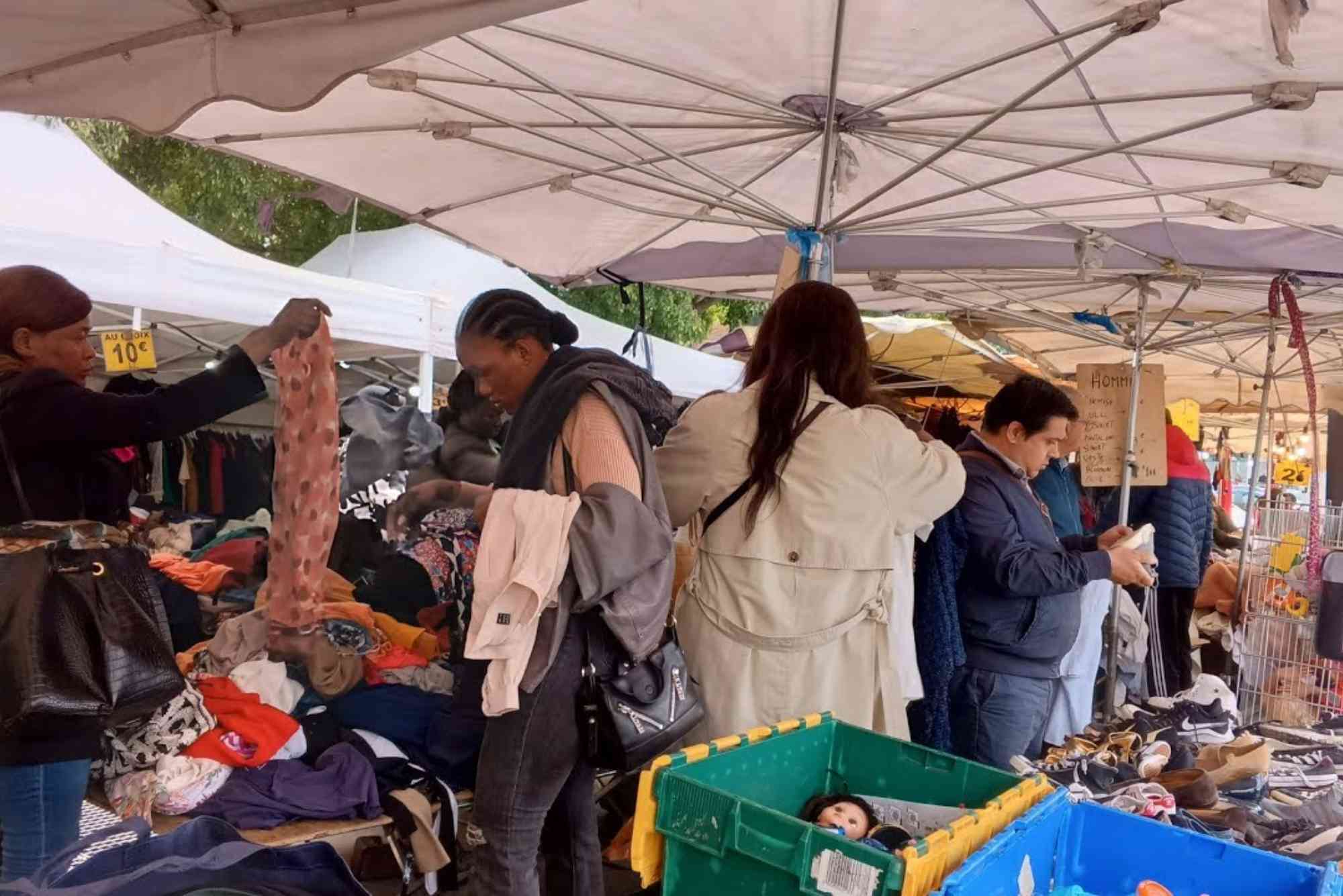

France is renowned for its fashion, art, and culture, but many travelers and locals alike are turning to secondhand shopping for unique finds and sustainable options. Navigating thrift shops, flea markets, and vintage boutiques in France can be overwhelming without guidance. This comprehensive France secondhand shopping map and bargaining tips guide will help you uncover hidden gems and master the art of negotiation.
Why Secondhand Shopping in France Is Worth It
France has a rich tradition of valuing craftsmanship and style, which extends to secondhand goods. Vintage clothing, antiques, and rare collectibles are often preserved in excellent condition. Secondhand shopping not only allows you to acquire distinctive items but also promotes sustainability and supports local vendors. Paris, Lyon, Marseille, and other cities have thriving secondhand markets, each with its unique flavor.
Unique Finds Await
One of the joys of France secondhand shopping is discovering items you won’t find anywhere else. From designer handbags to retro vinyl records, the thrill of the hunt is unmatched. Exploring different neighborhoods often reveals hidden boutique stores tucked away from main streets, where the quality and authenticity of items are often superior.
Affordable Luxury
While France is famous for high fashion, secondhand shops provide a chance to own luxury items at a fraction of the cost. Vintage designer clothes and accessories are commonly found at flea markets and dedicated resale stores, allowing savvy shoppers to indulge without overspending.
Mapping Out France’s Best Secondhand Spots
Creating a mental map of France’s secondhand shopping hotspots helps streamline your search. Paris, the capital, is a treasure trove of vintage stores, flea markets, and consignment shops. Each arrondissement offers a distinct experience, from high-end vintage in the Marais to eclectic finds in Belleville. Lyon, known for its vibrant cultural scene, offers both upscale consignment shops and local markets. Marseille and Nice present a mix of seaside flea markets and curated secondhand boutiques. Smaller towns often hide charming thrift stores, perfect for those willing to explore off the beaten path.
Navigating Parisian Vintage Stores
Paris boasts famous markets like Marché aux Puces de Saint-Ouen, one of the largest flea markets in the world. Wandering its narrow alleyways and stalls, shoppers encounter antique furniture, clothing, and rare collectibles. The Marais district is ideal for vintage fashion enthusiasts seeking designer pieces, while Montmartre offers bohemian shops brimming with unique apparel.
Exploring Regional Markets
Beyond Paris, cities such as Lyon and Marseille have local markets that reflect their cultural identity. Lyon’s Croix-Rousse neighborhood features small shops with carefully curated vintage clothing. Marseille, with its Mediterranean charm, offers markets with eclectic items ranging from retro home décor to pre-loved luxury handbags.
Bargaining Tips for France Secondhand Shopping
Mastering bargaining is key to securing the best deals. Understanding local customs, the condition of items, and market dynamics ensures respectful and successful negotiation.
Understand Local Etiquette
French vendors appreciate politeness and genuine interest. Begin interactions with a friendly greeting, ask questions about the item, and express interest before mentioning price. Abrupt haggling can be seen as rude, while respectful negotiation often leads to better offers.
Assess Item Value
Before making an offer, evaluate the quality and demand of the item. Examine craftsmanship, brand labels, and wear. Some items may have historical or collectible value, making them less negotiable. Being informed helps you propose a fair counteroffer without offending the seller.
Use Strategic Timing
Visiting markets early ensures the best selection, while shopping later in the day can sometimes yield lower prices. Vendors may prefer to sell items quickly rather than transport them back, giving you an opportunity to negotiate better deals.
Bundle for Discounts
Purchasing multiple items from the same vendor can often lead to additional discounts. Present your selection politely and ask if a combined price is possible. Many sellers appreciate bulk purchases and are willing to reduce prices accordingly.
Making the Most of Your France Secondhand Adventure
To maximize your secondhand shopping experience, research in advance, plan your route, and remain flexible. Some items may require multiple visits or a keen eye to spot hidden treasures. Embracing the local culture and engaging with sellers can also enhance your overall experience.
Staying Organized
Keep track of the neighborhoods, markets, and stores you visit. Note pricing trends, preferred vendors, and unique items discovered. This organization allows for more informed purchases in future visits and prevents overlooking valuable finds.
Combining Sightseeing with Shopping
France’s secondhand markets often coexist with cultural landmarks, charming streets, and cafés. Combining sightseeing with shopping creates a richer travel experience. Take breaks in local cafés, soak in the ambiance, and return refreshed for further exploration.
Sustainable Practices
Opting for secondhand shopping supports sustainability and reduces waste. Consider the environmental impact of your purchases and prioritize items with long-lasting quality. By embracing secondhand culture, you contribute to responsible consumerism while enjoying unique finds.
France secondhand shopping is an exciting journey of discovery, offering everything from vintage fashion to rare collectibles. Understanding local markets, France Secondhand Shopping Map and Bargaining Tips following etiquette, and applying strategic bargaining tips ensures a successful experience. Whether exploring Paris’s flea markets or uncovering hidden gems in smaller towns, the thrill of finding unique treasures makes secondhand shopping in France a must-do adventure. Start mapping your route, prepare your bargaining strategies, and immerse yourself in the charm of French secondhand shopping.
FAQ
What is the best city in France for secondhand shopping?
Paris is the most popular destination, with flea markets and vintage stores, but Lyon and Marseille also offer unique and curated finds.
How can I negotiate prices in French flea markets?
Approach politely, show genuine interest, and ask if a better price is possible. Bundling items can also help secure discounts.
Are there designer items available in secondhand stores in France?
Yes, many stores offer luxury brands at reduced prices, especially in districts like the Marais in Paris.
When is the best time to visit flea markets in France?
Early mornings provide the best selection, while late afternoons can offer opportunities for bargaining.
Is secondhand shopping in France sustainable?
Absolutely. Buying pre-loved items reduces waste and supports local businesses while offering unique fashion and collectibles.
Can I find secondhand furniture in France?
Yes, flea markets often have antique and vintage furniture pieces, particularly in Paris and regional markets.