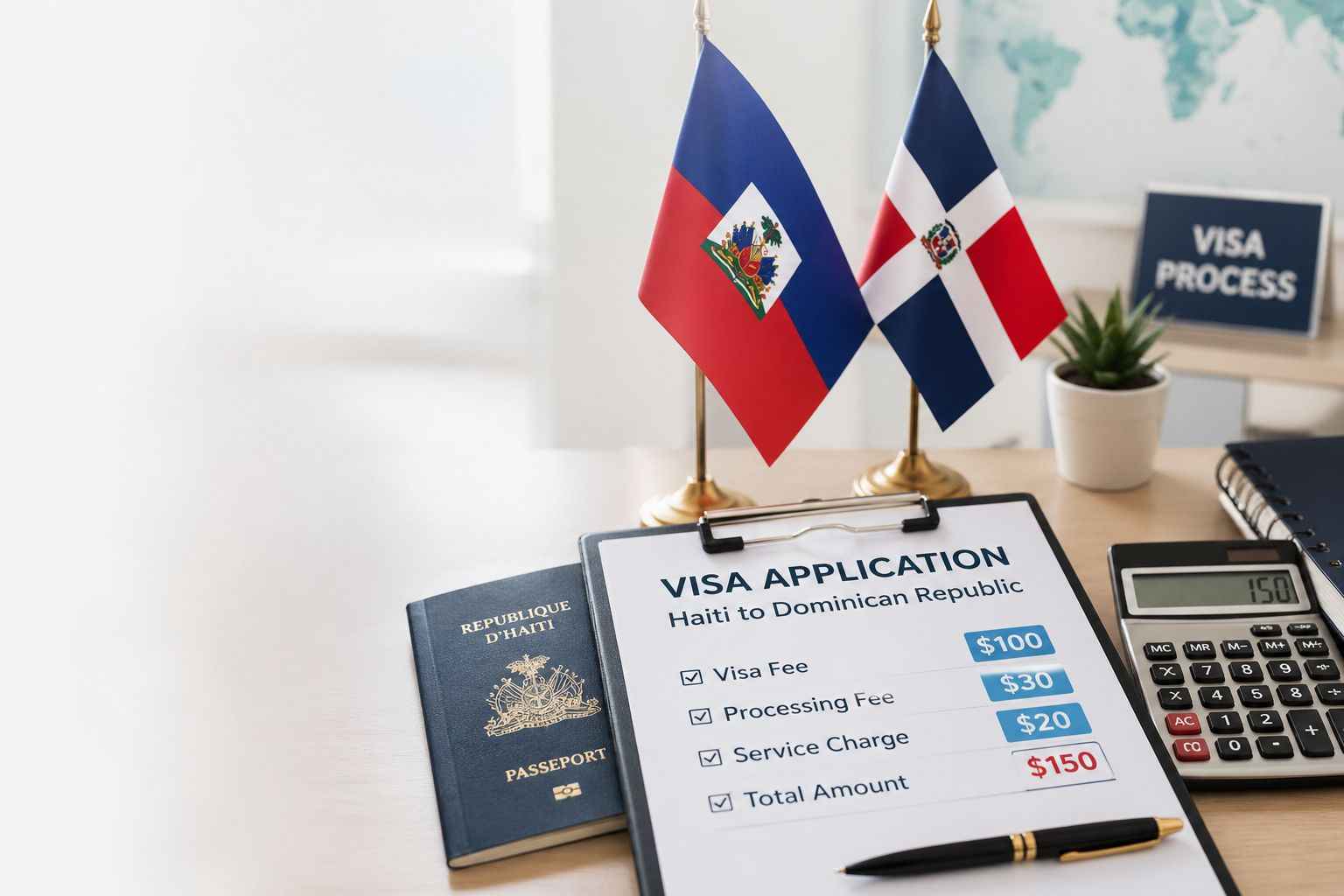

Border crossings between Haiti and the Dominican Republic are among the most active in the Caribbean. Whether it’s for short visits, business trips, or extended stays, travelers often assume the process is simple due to proximity. In reality, visa requirements, fees, and documentation can vary significantly depending on your purpose and duration of stay.
Understanding the real cost behind a visa in 2026 is essential—not just the official fee, but the hidden expenses that often catch applicants off guard. This guide breaks everything down in a practical, easy-to-follow way.
Why Visa Costs Are Not Always Straightforward
At first glance, visa fees may seem fixed. However, when traveling from Haiti to the Dominican Republic, the total cost depends on multiple layers. Government charges are just one part of the equation. Service providers, documentation requirements, and urgency levels all influence the final amount you pay.
Travelers who prepare in advance often spend significantly less compared to those who rush their applications or rely on unverified agents.
Different Visa Types Available for Travel
Before discussing pricing, it’s important to understand the types of visas typically issued for this route. Each category comes with its own fee structure and processing requirements.
- Tourist Visa: Suitable for short-term visits and travel purposes.
- Business Visa: Designed for meetings, trade, or professional engagements.
- Multiple Entry Visa: Ideal for frequent travelers crossing the border regularly.
Choosing the wrong visa type can lead to unnecessary costs or even rejection, so clarity here is essential.
Visa Price Breakdown in 2026 (Practical View)
Instead of presenting costs as a fixed number, it’s more useful to understand how each component contributes to the total expense.
Base Visa Fee: Typically ranges between $60 and $150 depending on the visa category. Tourist visas are generally on the lower end, while multiple-entry visas cost more.
Processing Charges: Application centers or intermediaries often add service fees. These can range from $20 to $80 depending on the level of assistance provided.
Documentation Costs: Preparing required paperwork—such as bank statements, photographs, or notarized documents—may add another $10 to $40.
Urgency Costs: Faster processing usually comes at a premium. Expedited services can increase total expenses by $30 to $100.
In most cases, travelers can expect an overall cost between $100 and $300, depending on how the application is handled.
What Makes Prices Fluctuate?
Two applicants applying for the same visa can end up paying different amounts. This variation often comes down to practical factors rather than official policy.
- Application Method: Direct embassy applications are cheaper than agent-assisted ones.
- Travel Frequency: Frequent travelers often opt for multiple-entry visas, which cost more upfront.
- Seasonal Demand: Peak travel periods may increase service fees.
- Document Readiness: Missing documents can lead to reapplication costs.
Application Flow: What to Expect
Rather than a rigid checklist, the process often follows a sequence that travelers should be prepared for.
- Initial document preparation and verification
- Application submission at embassy or visa center
- Fee payment and receipt confirmation
- Processing and background verification
- Visa approval and collection
Each step has its own timeline, and delays usually occur due to incomplete submissions.
Travel Preparation Beyond the Visa
Many travelers focus solely on visa fees but overlook additional travel-related expenses. These can indirectly impact your overall budget.
For example, accommodation planning, transportation, and local travel costs in the Dominican Republic should be considered early. Guides like destination-focused travel insights can help you prepare more effectively.
Smart Ways to Manage Your Visa Budget
Keeping your visa expenses under control requires a bit of planning and awareness.
- Apply at least two weeks in advance to avoid rush fees
- Verify document requirements before submission
- Avoid overpaying through unofficial agents
- Compare multiple service providers if using assistance
These small steps can reduce unnecessary costs significantly.
Common Challenges Travelers Face
Cross-border travel between Haiti and the Dominican Republic can present unique challenges. Being aware of them helps you avoid delays.
- Incomplete documentation leading to rejection
- Misunderstanding visa validity periods
- Over-reliance on third-party agents
- Last-minute applications causing higher costs
Staying informed is your best defense against these issues.
Planning for Multiple Trips
If you anticipate frequent travel, investing in a multiple-entry visa may save time and effort in the long run. Although the upfront cost is higher, it eliminates repeated application fees.
Travelers who regularly explore regional destinations often benefit from broader planning strategies. For example, reviewing guides like activities and travel experiences can help maximize each trip.
External Reference
For official updates and immigration policies, refer to:
Dominican Republic Ministry of Foreign Affairs
Final Perspective
Visa pricing for travel from Haiti to the Dominican Republic in 2026 is not just about paying a fee—it’s about understanding the full process. From application choices to processing timelines, every decision impacts your total cost.
With proper planning, clear documentation, and a realistic budget, crossing the border can be a smooth and predictable experience. Instead of reacting to costs, travelers who plan ahead stay in control of both time and money.
Related Reading: Visa Sri Lanka Price in 2026: Visa Charges and Fee Guide