
Introduction
Paris, the City of Light, is a place where every street and corner holds history, art, and culture. Among its most enchanting areas is the Left Bank, the southern part of the Seine River. Known for its artistic spirit, intellectual heritage, and charming streets, the Left Bank offers a walking route that flows naturally from one cultural highlight to the next. In this guide, we will explore the Paris France Left Bank route that flows, offering insights for travelers who want to experience the heart of Paris without feeling rushed.
Why Explore the Left Bank
The Left Bank, or Rive Gauche in French, has long been associated with creativity and intellect. Historically, it was home to writers, philosophers, and artists, from Ernest Hemingway to Pablo Picasso. Today, it combines this legacy with cafés, bookstores, gardens, and historic landmarks. Unlike the bustling Right Bank, the Left Bank maintains a relaxed, flowing energy that invites discovery at a slower pace.
Walking this route allows travelers to soak in both iconic sights and hidden treasures. The streets are lined with architectural marvels, cozy cafés, and cultural institutions. The experience feels less like sightseeing and more like living in a city that celebrates the joy of daily life.
Starting Point: Saint-Germain-des-Prés
The best way to begin the Left Bank route is in Saint-Germain-des-Prés. This area epitomizes Parisian charm with its historic cafés and boutique shops. Once a meeting place for intellectuals and existentialists, it remains a hub of literary and artistic energy.
Cafés and History
Saint-Germain-des-Prés is famous for cafés like Café de Flore and Les Deux Magots. These cafés were gathering spots for writers and philosophers such as Jean-Paul Sartre and Simone de Beauvoir. Enjoying a coffee here gives a sense of participating in a living history. The streets themselves are lined with small galleries, bookshops, and antique stores, offering plenty of moments to pause and explore.
Cultural Stops
In addition to cafés, Saint-Germain-des-Prés houses several historic churches, including the Abbey of Saint-Germain. Its Romanesque architecture and tranquil interior provide a quiet contrast to the bustling streets outside. Strolling through these streets allows for a flowing exploration, moving naturally from one point of interest to the next without feeling forced or hurried.
Literary Walks Along the Seine
As you continue your journey, the Seine River becomes a central element of the Left Bank route. The riverbanks are lined with bouquinistes, the iconic green bookstalls that sell vintage books, postcards, and prints. Walking along the Seine feels like moving through a living gallery of Parisian life.
Bouquinistes and Hidden Gems
Stopping at a bouquiniste reveals the literary soul of the Left Bank. These stalls have existed for centuries and offer rare finds, from classic French literature to vintage photographs. Browsing through the collections encourages a slow pace, allowing travelers to engage with Parisian culture intimately.
Scenic Walks
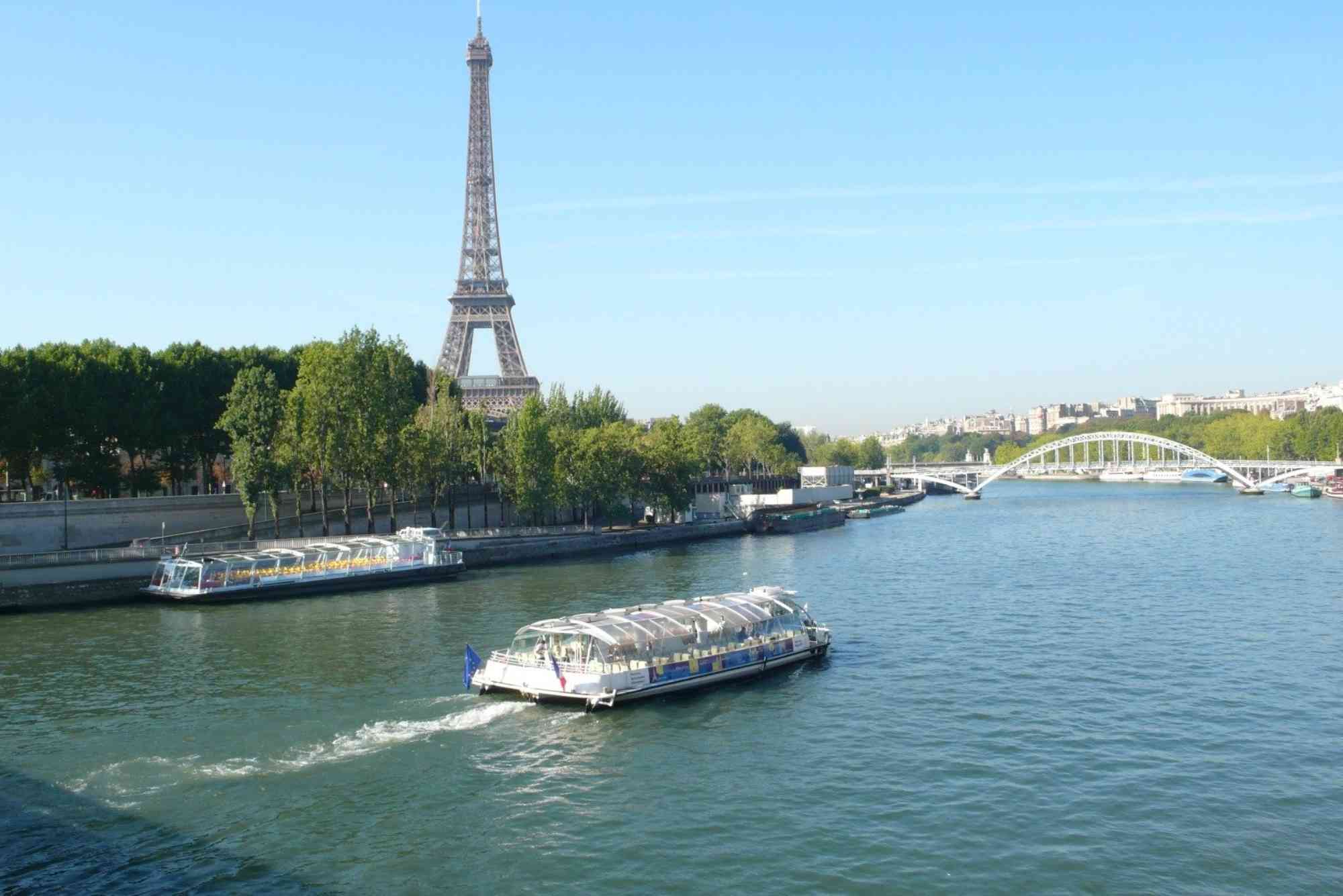
The path along the Seine provides a flowing rhythm to the journey. Benches along the river allow for pauses where one can watch the boats glide by or observe locals enjoying the outdoors. The left bank walk is ideal for those who prefer experiences over checklists, letting the city’s rhythm guide their day.
Iconic Landmarks Along the Route
No exploration of the Left Bank would be complete without visiting its iconic landmarks. While the streets themselves are charming, the landmarks anchor the journey and provide moments of awe.
The Louvre and Tuileries Gardens
Although technically at the border between the Left and Right Banks, starting from Saint-Germain allows an easy detour to the Louvre Museum and the adjacent Tuileries Gardens. The Louvre’s vast collection is world-renowned, while the gardens offer a serene, flowing space for rest and reflection. Walking from Saint-Germain to the Louvre through charming streets adds a sense of continuity and flow to the route.
Musée d’Orsay
Further along the river, the Musée d’Orsay is a must-see for art lovers. Housed in a former railway station, it features Impressionist and Post-Impressionist masterpieces. The building itself is an architectural gem, and visiting here enhances the sense of cultural immersion that defines the Left Bank experience.
Pont Neuf and Île de la Cité Views
The walk naturally leads to Pont Neuf, the oldest bridge in Paris Places , which connects the Left Bank to the historic Île de la Cité. From here, travelers enjoy stunning views of the Seine and Paris’s skyline. The flowing route seamlessly incorporates both the urban landscape and the natural rhythm of the river, creating a balanced experience of sight and serenity.
Intellectual and Artistic Stops
The Left Bank route is incomplete without exploring its intellectual and artistic sites. These locations highlight why this side of the river has always attracted thinkers and creators.
Latin Quarter
The Latin Quarter is the heart of student life and intellectual energy. Narrow streets, bookshops, and historic universities like the Sorbonne create a vibrant atmosphere. Walking through the Latin Quarter feels like stepping back into centuries of academic and literary tradition. Cafés and small theaters provide moments to rest while absorbing the intellectual pulse of the neighborhood.
Literary Landmarks
Bookstores such as Shakespeare and Company are legendary. This English-language bookstore has been a haven for writers and readers for decades. It epitomizes the Left Bank’s literary charm, and visiting it feels like joining a timeless community of creativity.
Art Studios and Galleries
The Left Bank is home to smaller art galleries and studios that often feature local and emerging artists. Exploring these spaces adds depth to the journey, giving travelers a sense of the contemporary cultural scene alongside historical landmarks.
Gardens and Flowing Spaces
A distinctive feature of the Left Bank route is the way it naturally incorporates green spaces. Gardens and parks provide breathing spaces and encourage a leisurely pace.
Luxembourg Gardens
Luxembourg Gardens is a highlight for anyone walking the Left Bank route. Its manicured lawns, fountains, and tree-lined paths create a perfect spot for relaxation. Strolling through the gardens, visitors can enjoy the balance between natural beauty and Parisian elegance. The garden’s layout allows the walk to flow smoothly, from one scenic spot to another, making it a central point in the Left Bank itinerary.
Place Saint-Michel
Nearby, Place Saint-Michel offers a lively square with a flowing fountain and views of the Seine. This area connects various neighborhoods and provides a natural transition from gardens to streets, ensuring that the walking route continues without interruption.
Cafés, Dining, and Local Experiences
The Left Bank is filled with cafés and restaurants where travelers can pause and savor local flavors. From casual bistros to elegant brasseries, dining on the Left Bank is part of the journey itself.
Café Culture
The Left Bank’s café culture is integral to its flowing energy. Stopping at a café allows travelers to observe street life, enjoy pastries, or sip coffee while planning the next leg of the route. Each café has its own personality, offering moments of connection with the local atmosphere.
Market Streets
Exploring small market streets adds flavor and authenticity. Seasonal markets, specialty shops, and fresh produce vendors showcase Parisian life beyond the typical tourist path. These stops create a flowing experience, allowing travelers to move naturally from sightseeing to local immersion.
Planning Your Left Bank Journey
To make the most of the Paris France Left Bank route that flows, it is essential to plan strategically. Walking the route over several hours allows for a balance of exploration, relaxation, and cultural engagement.
Best Time to Visit
Morning walks are ideal to avoid crowds and enjoy calm streets. Afternoon visits allow for café stops and leisurely meals, while evening strolls along the Seine offer romantic lighting and reflections on the water.
Comfortable Footwear and Pace
The Left Bank streets are charming but often cobblestoned. Comfortable shoes are a must. The goal is to maintain a natural, flowing pace that lets you enjoy discoveries as they come rather than rushing through the route.
Seasonal Considerations
Each season adds its own charm. Spring brings blooming gardens, summer offers lively street performances, autumn highlights colorful foliage, and winter presents cozy café experiences. Planning according to the season enhances the flowing, immersive quality of the journey.
Embrace the Flow of the Left Bank
The Paris France Left Bank route that flows is more than a sightseeing itinerary. It is a journey through history, culture, art, and everyday Parisian life. From Saint-Germain-des-Prés to the Latin Quarter, from riverside walks to elegant gardens, the route embodies the spirit of Paris—intellectual, artistic, and effortlessly elegant.
Travelers who embrace this path will find themselves moving naturally through streets that tell stories, encountering spaces that inspire thought, and discovering hidden gems that reward curiosity. Walking the Left Bank is not just about reaching landmarks; it is about experiencing a rhythm that makes Paris unforgettable.
Plan your journey carefully, pace yourself, and allow the city to guide you. The Left Bank flows, and so should your experience of it.
Start planning your Left Bank adventure today. Embrace the streets, savor the cafés, and let Paris flow around you for an unforgettable experience.
FAQ
What is the best starting point for the Left Bank route?
Saint-Germain-des-Prés is the ideal starting point. It offers historic cafés, boutiques, and easy access to major landmarks.
How long does it take to walk the Left Bank route?
A relaxed pace allows for 4–6 hours, including stops at gardens, cafés, and museums.
Are there guided tours available for the Left Bank?
Yes, several walking tours focus on art, history, and literary heritage, enhancing the flowing experience.
What should I wear for a Left Bank walk?
Comfortable walking shoes and weather-appropriate clothing are recommended, as the streets are often cobblestoned.
Is the Left Bank suitable for solo travelers?
Absolutely. Its calm, flowing streets, cafés, and cultural stops make it ideal for solo exploration.