
How to Use Public Transport Like a Local in Big Cities
Navigating a new city can be overwhelming, especially when it comes to public transport. Learning how to use public transport like a local in big cities not only saves time but also helps you avoid common tourist pitfalls. Locals know tricks that make commuting smoother, cheaper, and stress-free. This guide will show you how to move like a local and experience the city efficiently.
Understanding the Local Transit System
Learn the Routes and Maps
Before hopping on any bus or train, familiarize yourself with the city’s transit map. Most cities have apps with real-time updates, route planners, and fare calculators. Knowing the routes helps avoid unnecessary transfers and delays.
Know the Types of Transport
Big cities often have a mix of buses, subways, trams, ferries, and commuter trains. Understanding which mode is fastest for your destination is key. Locals often combine multiple types of transport to save time.
Timing Is Everything
Peak hours can be crowded. Local commuters often travel early or late to avoid the rush. Checking schedules beforehand ensures you’re not waiting too long or getting stuck in jam-packed vehicles.
Getting the Right Tickets
Use Contactless Cards or Mobile Apps
Most urban transport systems offer reusable travel cards or mobile payment apps. These are faster than buying single tickets each time. Some cities even provide discounted fares for multiple rides or weekly passes.
Understand Fare Zones
Many cities divide their public transport into fare zones. Knowing which zones you’ll travel through prevents accidental overcharges. Locals often plan routes to minimize zone changes.
Keep Small Change Handy
In cities where cash payments are still common, having coins or small bills can save you from long lines at ticket machines.
Boarding and Riding Like a Local
Wait in the Right Spot
Pay attention to signage at bus stops or train platforms. Locals often line up according to boarding positions to avoid confusion.
Let Passengers Exit First
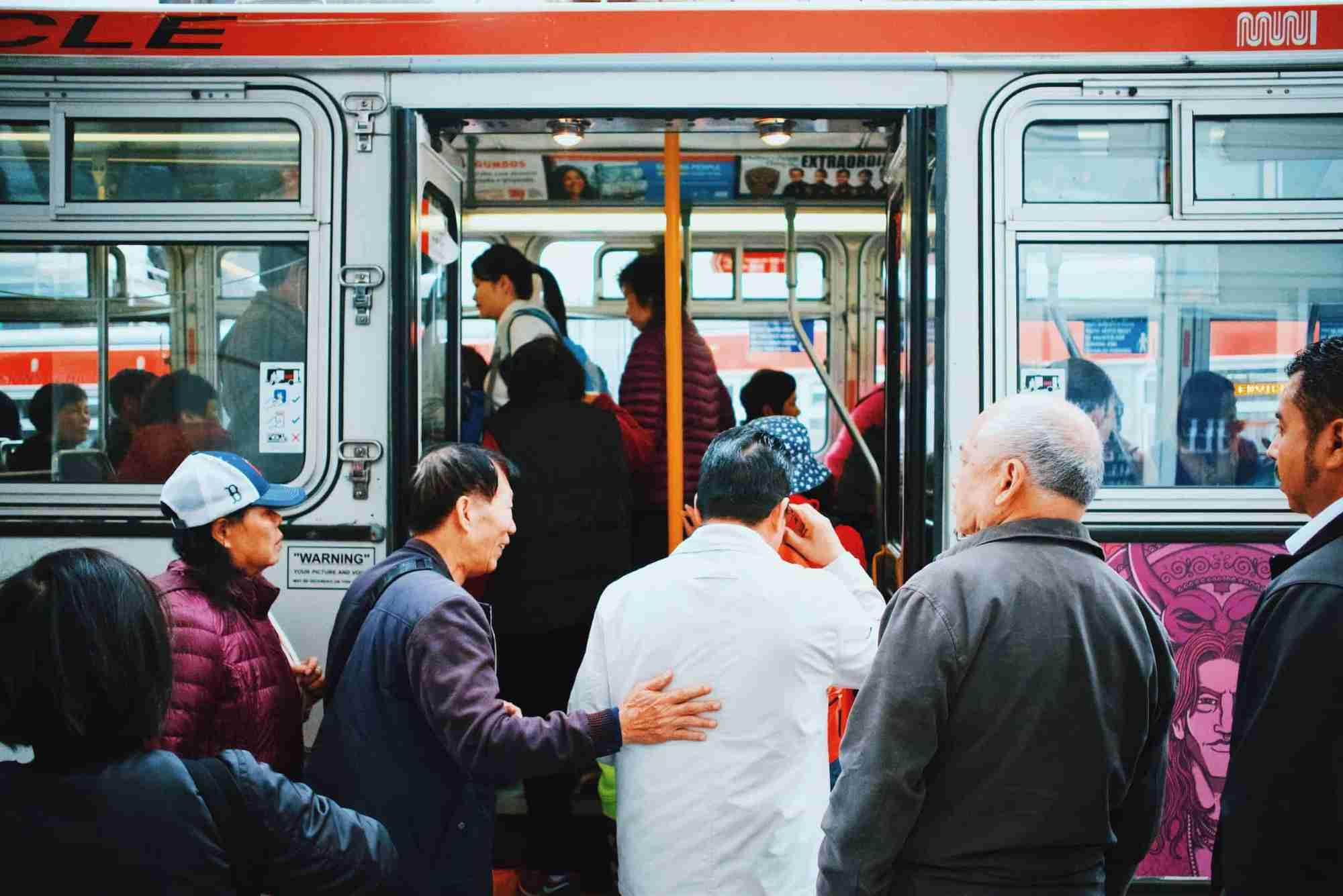
One simple tip locals follow is letting people exit before boarding. It’s polite and helps keep the flow moving.
Mind Your Etiquette
Keep noise low, avoid blocking doors, and give seats to elderly or disabled passengers. Observing local habits makes your journey smoother and safer.
Use Real-Time Apps
Apps show delays, cancellations, and crowded routes. Locals rely on these apps to adjust travel plans quickly, especially in unpredictable traffic.
Safety Tips
Keep Your Belongings Secure
Pickpocketing can happen in busy areas. Keep your bag in front, and avoid displaying expensive items.
Travel in Groups at Night
If traveling late, it’s safer to move in pairs or groups. Some cities provide well-lit paths and night buses, which locals trust over dark shortcuts.
Know Emergency Procedures
Familiarize yourself with emergency exits, help points, and local emergency numbers. Knowing these details can prevent panic during unexpected events.
Insider Tips for Smoother Travel
Learn Local Shortcuts
Locals know which lines or transfer points save time. A little research on forums or social media can reveal these hidden gems.
Avoid Tourist Traps
Some city transport hubs are overcrowded with tourists. Using alternative entrances or exits, as locals do, helps save time.
Blend In With Local Attire
Dressing like a local avoids drawing unnecessary attention and makes you feel more comfortable navigating busy streets and stations.
Ask for Advice
Locals are often willing to help if you ask politely. Simple questions like “Which train is fastest to downtown?” can yield valuable tips.
Cost-Saving Strategies
Consider Multi-Day Passes
If you plan to explore extensively, multi-day passes can be cheaper than single tickets. Locals often invest in weekly or monthly passes.
Take Advantage of Off-Peak Discounts
Many transport systems offer lower fares during non-peak hours. Planning your travel accordingly can save money.
Walk or Bike for Short Distances
Combine public transport with walking or bike-sharing. Locals often use this approach to save on short trips or avoid crowded routes.
Planning Your Route in Advance
Map Out Stops and Transfers
Before you start, note the exact stops and transfer points. Locals rarely improvise last-minute because it wastes time.
Track Traffic Conditions
Some buses share roads with cars, so traffic can affect travel time. Apps provide live traffic updates for better planning.
Have a Backup Plan
Unexpected delays happen. Locals usually have alternative routes ready to avoid getting stranded.
Frequently Asked Questions
How do I pay for public transport like a local?
Most cities use contactless cards, mobile apps, or multi-day passes. Locals often preload these cards for faster boarding.
Is it safe to travel alone on public transport at night?
Safety varies by city, but traveling in groups, staying in well-lit areas, and following local advice reduces risks.
How can I avoid overcrowded trains and buses?
Traveling outside peak hours, using real-time apps, or taking alternative routes helps avoid crowded vehicles.
Are there etiquette rules I should follow?
Yes. Keep voices low, avoid blocking doors, let passengers exit first, and offer seats to those in need.
How do I figure out the fastest route?
Use transit apps, maps, and local advice. Combining buses, trains, or even ferries often saves time.
Mastering how to use public transport like a local in big cities takes a little preparation, awareness, and observation. By learning the transit system, planning routes, using apps, and following local etiquette, you can navigate efficiently and confidently. This knowledge not only saves time and money but also enriches your city experience. Start exploring like a local today and turn commuting into a seamless adventure.