
Accurately calculating fuel consumption is no longer optional—it’s essential for households, fleet managers, logistics planners, and sustainability-focused businesses. Rising fuel prices, carbon regulations, and efficiency targets make understanding fuel usage a strategic skill rather than a technical luxury.
This beginner-friendly guide explains how fuel consumption works, common calculation mistakes, and how digital tools simplify the process. Whether you’re managing a personal vehicle, commercial fleet, or industrial equipment, using a reliable fuel consumption calculator like the one available at helps ensure accuracy, transparency, and cost control.
Understanding Fuel Consumption Basics
Quick Answer: Fuel consumption measures how much fuel a vehicle or machine uses over a specific distance or time.
Fuel consumption is typically expressed as liters per 100 kilometers (L/100km) or kilometers per liter (km/L). In industrial or power-generation contexts, it may be measured as fuel per hour.
Key factors influencing fuel consumption include engine efficiency, load weight, driving behavior, terrain and road conditions, and maintenance quality. Understanding these fundamentals allows beginners to interpret calculator outputs correctly and make informed decisions about fuel usage.
Why Accurate Fuel Consumption Calculation Matters
Quick Answer: Accurate calculations help reduce costs, emissions, and operational inefficiencies.
Fuel expenses often account for a large percentage of operational costs in transport, logistics, and power generation. Small miscalculations can compound into significant financial losses over time.
Accurate fuel data supports budget planning, preventive maintenance scheduling, emissions compliance, and smarter route optimization. Governments and organizations increasingly rely on accurate fuel metrics to meet sustainability targets and reduce environmental impact.
Manual Fuel Consumption Calculation Methods
Quick Answer: Manual methods use distance traveled and fuel consumed to estimate efficiency.
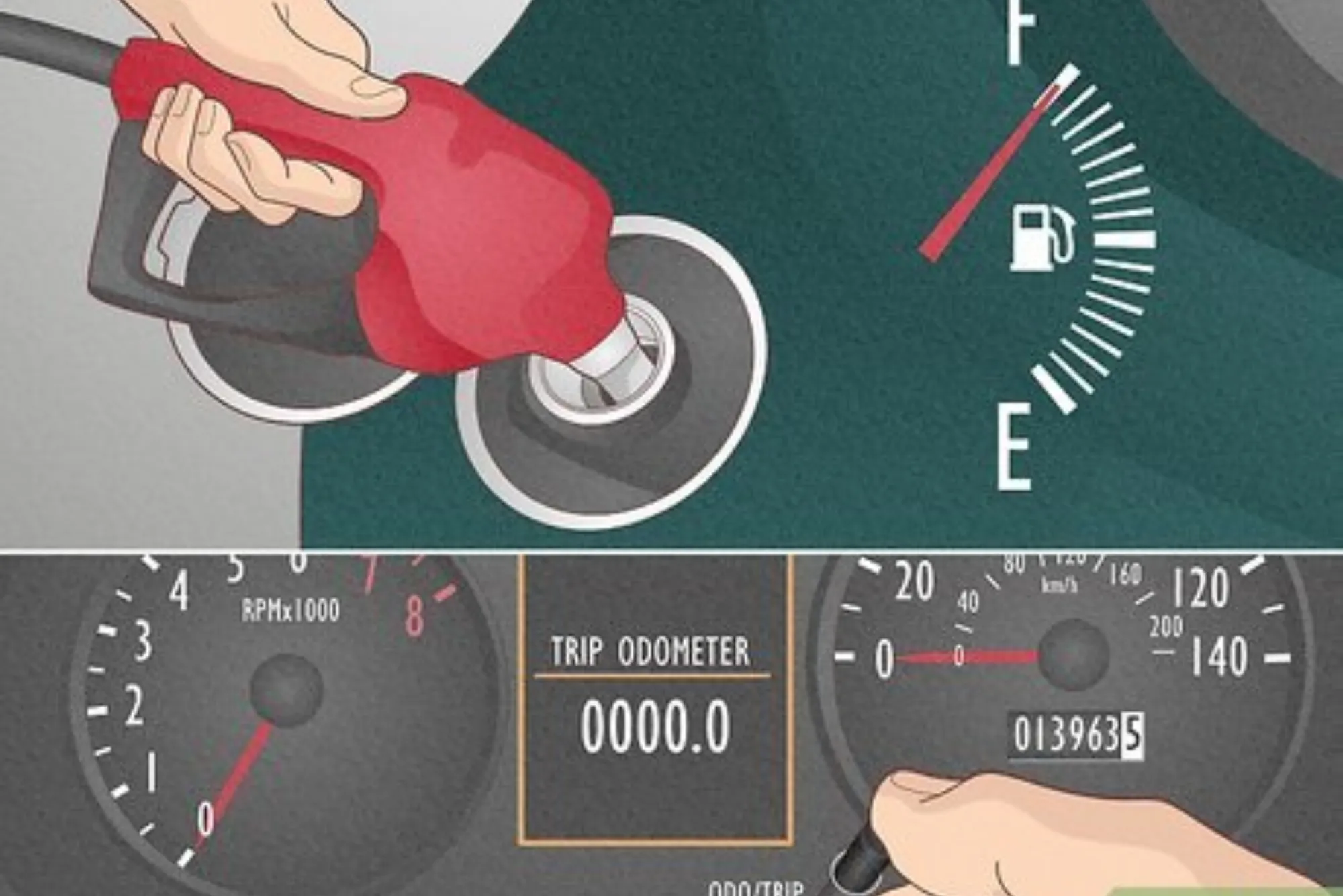
The simplest formula divides fuel used by distance traveled. While this approach works for basic estimates, it has limitations. Human error, inconsistent driving patterns, and inaccurate fuel readings often skew results.
Manual calculations are best suited for learning fundamentals, quick estimates, and situations without digital access. For consistent accuracy, digital calculators outperform manual methods significantly.
Using a Digital Fuel Consumption Calculator
Quick Answer: Digital calculators automate accurate fuel usage calculations instantly.
A trusted fuel consumption calculator removes guesswork by applying standardized formulas and unit conversions. By entering distance, fuel type, and consumption values, users receive instant, error-free results.
Benefits include time savings, standardized measurements, reduced calculation errors, and support for multiple units. These tools are especially helpful for beginners who want reliable outputs without advanced technical knowledge.
Common Fuel Consumption Calculation Mistakes
Quick Answer: Most errors come from inconsistent units, inaccurate inputs, or assumptions.
Common beginner mistakes include mixing kilometers and miles, ignoring idling fuel usage, estimating instead of measuring fuel, and failing to account for load weight.
Digital calculators reduce these risks, but users must still ensure accurate data entry. Awareness of these pitfalls significantly improves result reliability.
Fuel Consumption in UAE Transport and Logistics
Quick Answer: UAE logistics depends on accurate fuel data for cost efficiency and regulatory compliance.
In the UAE, fuel consumption tracking is essential for fleet operators across Dubai, Abu Dhabi, and Sharjah. Government-backed sustainability initiatives and smart transport policies emphasize efficient energy usage.
Youth-focused technical training programs increasingly include energy efficiency education, making accurate fuel calculations a practical skill aligned with national development goals.
Industrial and Generator Fuel Consumption Calculations
Quick Answer: Industrial fuel calculations help manage operational efficiency and uptime.
Factories, construction sites, and power generators rely on precise fuel usage estimates to prevent downtime and cost overruns. Fuel calculators assist with refueling schedules, budget planning, and energy audits.
Industries benefit by reducing waste, improving fuel efficiency, and supporting sustainability reporting across South Asia and the Gulf region.
Role of Technology in Smarter Fuel Management
Quick Answer: Technology transforms fuel data into actionable insights.
Modern platforms combine calculators with analytics and reporting tools. These systems enable better planning and decision-making.
Many such platforms are developed by a full-service IT and software company like supporting digital infrastructure that improves efficiency across energy-related tools and services.
Choosing the Right Calculator for Your Needs
Quick Answer: The right calculator depends on your usage type and accuracy needs.
When selecting a calculator, consider vehicle or industrial usage, unit flexibility, ease of use, and reliability. Users looking for broader utilities beyond fuel metrics can explore the complete calculator directory at for tools covering energy, education, and financial calculations.
Expert Insight on Fuel Efficiency
Quick Answer: Experts stress consistency and verified inputs.
“Accurate fuel consumption data is the foundation of cost control and sustainability planning. Digital calculators reduce bias and improve decision quality,” says an Energy Systems Analyst from South Asia.
This expert view reinforces the importance of standardized tools in personal and professional environments.
Frequently Asked Questions
What is the most accurate way to calculate fuel consumption?
Using a digital calculator with measured inputs delivers the most reliable results.
Can beginners use fuel consumption calculators easily?
Yes, most tools are designed for simplicity and require minimal technical knowledge.
Does driving style affect fuel consumption results?
Yes, aggressive driving and prolonged idling significantly increase fuel usage.
Are fuel consumption units the same worldwide?
No, units vary by region, making proper conversion essential.
Why do businesses monitor fuel consumption closely?
To control costs, improve efficiency, and meet environmental standards.
Can fuel calculators help reduce emissions?
Accurate data supports smarter decisions that lower unnecessary fuel use.
Final Thought
From hands-on experience working with digital platforms and energy-focused tools across South Asia and the Gulf, accurate fuel consumption calculation is often underestimated. Small improvements in tracking habits lead to meaningful cost savings and smarter decisions. As regions like Pakistan and the UAE continue investing in youth skills, sustainability, and digital infrastructure, understanding fuel metrics becomes an essential everyday capability rather than a technical niche.